

Portable powerBLUETTI
AC200P L
BLUETTI AC200P L is a 2,304Wh LiFePO4 portable power station with 2,400W AC output, 3,600W surge and up to 1,200W solar input.
Size a system, understand batteries and inverters, compare trade-offs, check local context and prepare better installer quotes—without turning your research into an engineering degree.

Begin with measured energy use and the loads you actually need backed up.
Voltage, power, MPPT limits and battery communication matter.
Use the route that matches where you are in the decision. You can move from a rough energy question to component research without starting again.
 Storage
Separate label capacity from usable energy, then check sustained power, surge, reserve behavior and inverter compatibility.
Research batteries → Planning
Start with kWh, solar resource and the loads that matter during an outage.
Open calculator →Choose the system architecture before comparing model numbers. Backup behavior and battery support change with inverter type.
Compare inverter types → Before the quoteEquipment models, protection, monitoring, warranties, exclusions and commissioning should be written down—not assumed.
Use the checklist → Business
Demand timing, downtime, roof structure, financing and procurement become central.
Commercial research → BLUETTI AC200P L is a 2,304Wh LiFePO4 portable power station with 2,400W AC output, 3,600W surge and up to 1,200W solar input.

Renogy Pro 12V 1000W Pure Sine Wave Inverter with Bluetooth supplies 1,000W of clean 120V AC power from a 12V battery bank with app-based monitoring.

BYD Battery-Box Premium HVM 8.3 is an 8.28kWh high-voltage LFP battery stack using three HVM modules, with 153.6V nominal voltage and 50A maximum output current.
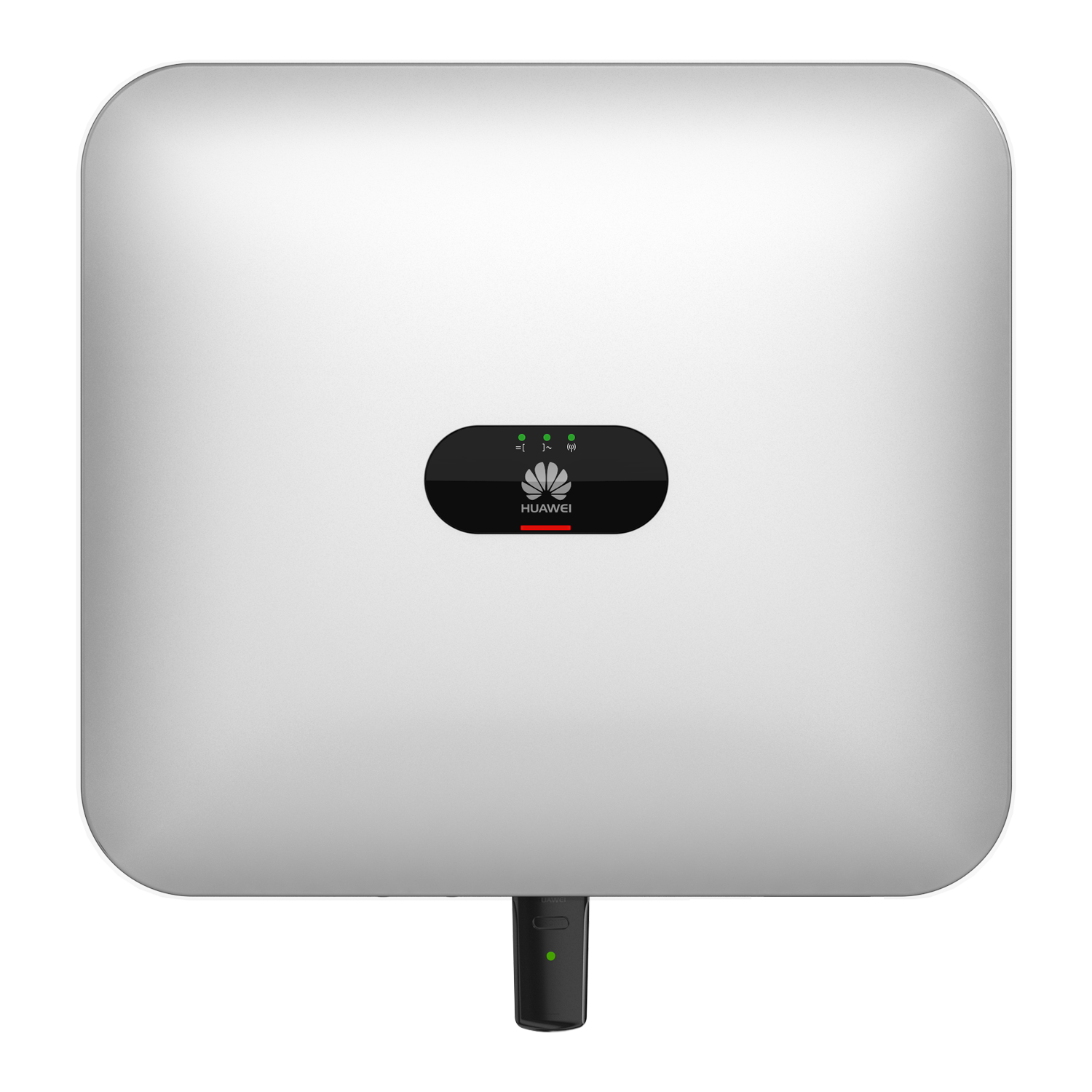
Huawei SUN2000-10KTL-M1 is a 10kW three-phase smart energy controller with two MPPTs, 15kWp recommended PV input, 1100V maximum DC input and direct LUNA battery support.
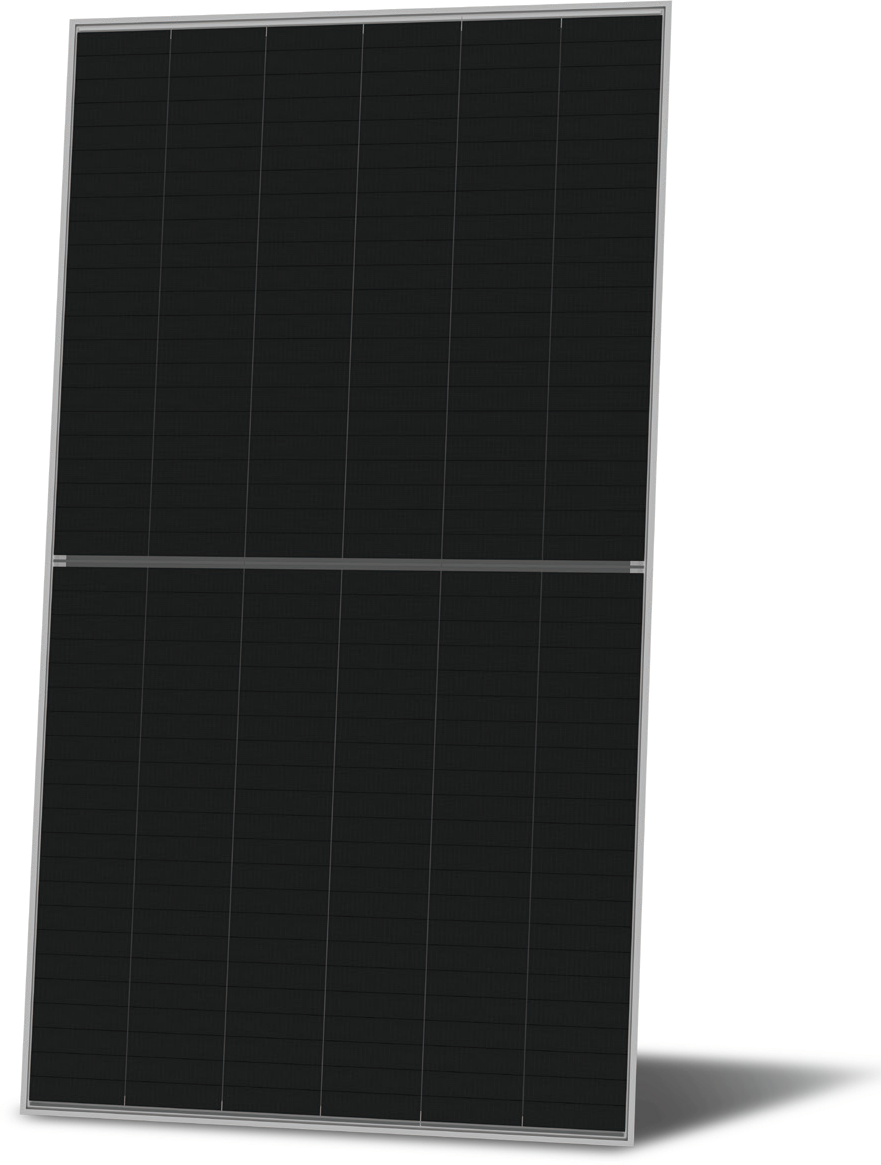
JinkoSolar Tiger Neo 3.0 JKM650–670N-66QL6-BDV is a 650–670W bifacial N-type TOPCon module family, reaching 24.8% efficiency at 670W with 85±5% bifaciality.
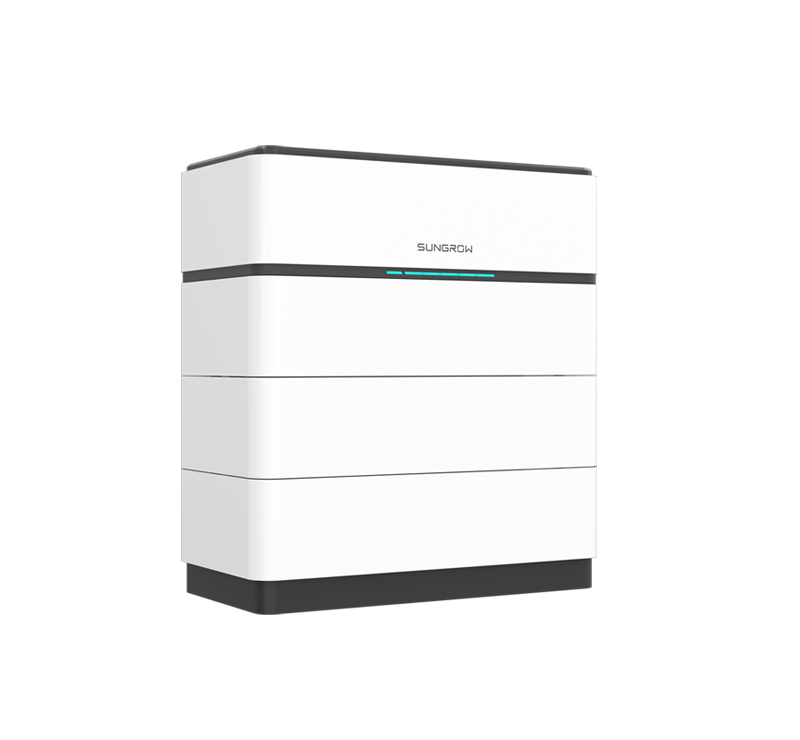
Sungrow SBH150 is a 15kWh high-voltage LFP battery built from three 5kWh modules, with 211.2V nominal voltage and 50A continuous charge/discharge capability.
These guides focus on the details that change a purchase—not generic explanations of why solar is good.

Follow energy from modules through the inverter, battery, loads and grid.
Efficiency, dimensions, heat, shade and roof layout decide how useful that wattage is.

Fuel, maintenance, battery replacement, uptime and load profile belong in the same comparison.
DOE says an August 2026 loan closing will finance two stand-alone battery projects totaling 220MW in Arecibo and Santa Isabel.
Read update →The Australian Government announced another $150m for a CEFC/ANZ finance program that can support rooftop solar, batteries and other energy-saving assets.
Read update →DOE’s Office of Indian Energy says a United Tribes Technical College resilience project combines a 198kW rooftop solar array, 1.3MWh battery system and microgrid controls.
Read update →The result changes when the assumptions change. That is the point. A useful calculator should make the inputs visible instead of hiding them behind a “recommended system” button.
Planning estimate only. Final design must account for surge loads, roof conditions, equipment limits and local electrical requirements.
Two batteries with similar nominal capacity can differ materially in usable energy, continuous power, warranty conditions and inverter communication.
See the full framework →| Decision factor | Why it changes the purchase | Verify |
|---|---|---|
| Usable capacity | The label may not equal deliverable energy | DoD + reserve behavior |
| Continuous power | Determines the loads the battery can sustain | kW / current limits |
| Compatibility | BMS communication affects control and reporting | Official compatibility list |
| Warranty | Years can hide throughput and retention limits | Cycles, throughput, exclusions |
Voltage, grid rules, tariffs, weather, product support and installer availability change by place. Melnti is built to narrow from continent to service area.
Distributed solar, backup, mini-grids and country-specific support.
Explore →Rooftop solar, dense urban loads and fast-changing market rules.
Explore →National grid rules, rooftop economics, batteries and installer standards.
Explore →Utility territories, incentives, resilience and local permitting.
Explore →Solar-rich markets with country-specific regulation and support.
Explore →Mature rooftop markets, island resilience and network constraints.
Explore →Utility, state and post-2025 incentive context.
Explore →One of Europe’s largest PV markets, including MaStR registration.
Explore →Mature rooftop solar, batteries and local network export rules.
Explore →SEG export tariffs, rooftop planning and storage decisions.
Explore →Dense-roof planning, resilience and current FIT/FIP context.
Explore →Fast-growing rooftop market, MNRE programmes and DISCOM processes.
Explore →A useful quote starts with the same project brief for every installer.Give each installer the same load, backup and site information. Then compare the actual equipment, protection, workmanship, commissioning and warranty scope line by line.

We separate evidence types, use primary sources where possible, explain trade-offs and do not claim hands-on testing unless it actually happened.
Start with the requirement, narrow the system, then verify the equipment and local context before comparing offers.
Solar shopping gets confusing when equipment is compared before the job is defined. Start with your electricity use, the loads you need during an outage, your local solar resource and any limits at the property. Then use those requirements to narrow panels, batteries and inverters.
If you are early in the process, begin with the solar system size calculator and the appliance load calculator. If you already know the system class, move to equipment research or the comparison center. When you are ready to speak with contractors, use the installation checklist so each quote answers the same questions.
Product pages and comparisons are built around usable specifications rather than marketing headlines: usable battery energy, continuous and surge power, inverter MPPT limits, battery communication, module dimensions and temperature behavior, warranty conditions, environmental limits and the practical support available in the market where the system will be installed.
Local rules and economics are treated separately. A recommendation that makes sense in California may not make sense in Bavaria, Tokyo or Sydney because electricity tariffs, outage patterns, interconnection rules, export treatment and installer support differ. That is why Melnti develops country and city research instead of publishing interchangeable location pages.
Melnti may eventually earn affiliate commissions, referral fees or advertising revenue. Commercial relationships are disclosed and do not automatically determine editorial conclusions. Where a product has not been physically tested by Melnti, the page should say so and rely on clearly identified documentation, measurements or external evidence rather than implying hands-on experience.
Read the editorial policy and review methodology for the standards used across the site.
Use the tools and guides first. When you are ready, take the same requirements to installers and compare like with like.