
Record the exact battery model and configuration first
Clearance requirements can change with battery model, tower height, wall or floor mounting, indoor or outdoor location and the number of modules installed. Before measuring the space, record the exact model and configuration from the current manufacturer installation manual. A family name is not enough when several tower sizes or regional variants exist. Keep a copy of the document revision used for the design so the installer can show which dimensions and clearances were applied.
Measure more than the footprint
The product dimensions tell you only the physical envelope. Installation instructions may require additional space above, below, beside or in front for airflow, cable bend radius, covers, emergency access and servicing. Photograph the proposed wall or floor area, measure nearby doors, windows, meters, switchboards and heat sources, and note anything that could obstruct removal of a module later. A neat fit that cannot be serviced safely is not a good fit.
Treat ventilation and temperature as equipment requirements
Many batteries use passive or active thermal management. Do not assume that a garage, cupboard or exterior wall is acceptable merely because the battery physically fits. Check permitted ambient temperatures, enclosure rating, direct-sun guidance and any ventilation or separation rules in the manufacturer documentation and local code. If the site is hot, cold, humid or exposed to salt air, use the battery thermal-management guide to structure the questions for the installer.
Leave an auditable handover record
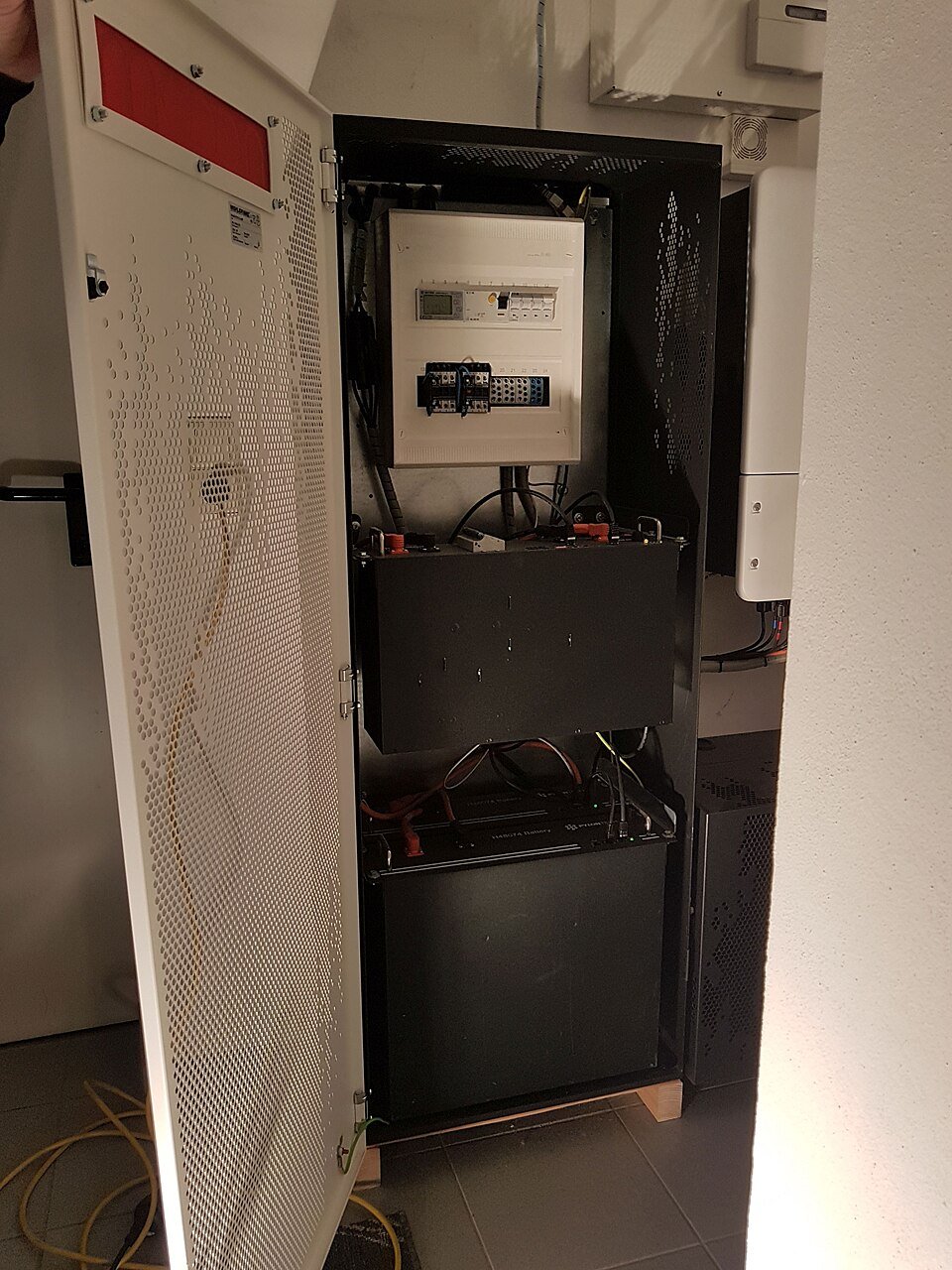
At commissioning, photograph the finished installation and record the installed clearances, mounting method, model/serial identifiers and relevant protective devices. Ask the installer to explain how the battery can be isolated and accessed for service without exposing an unqualified person to electrical work. The commissioning handover checklist can hold this evidence. If any clearance differs from the manual, request written manufacturer or engineering approval rather than accepting an undocumented site improvisation.