
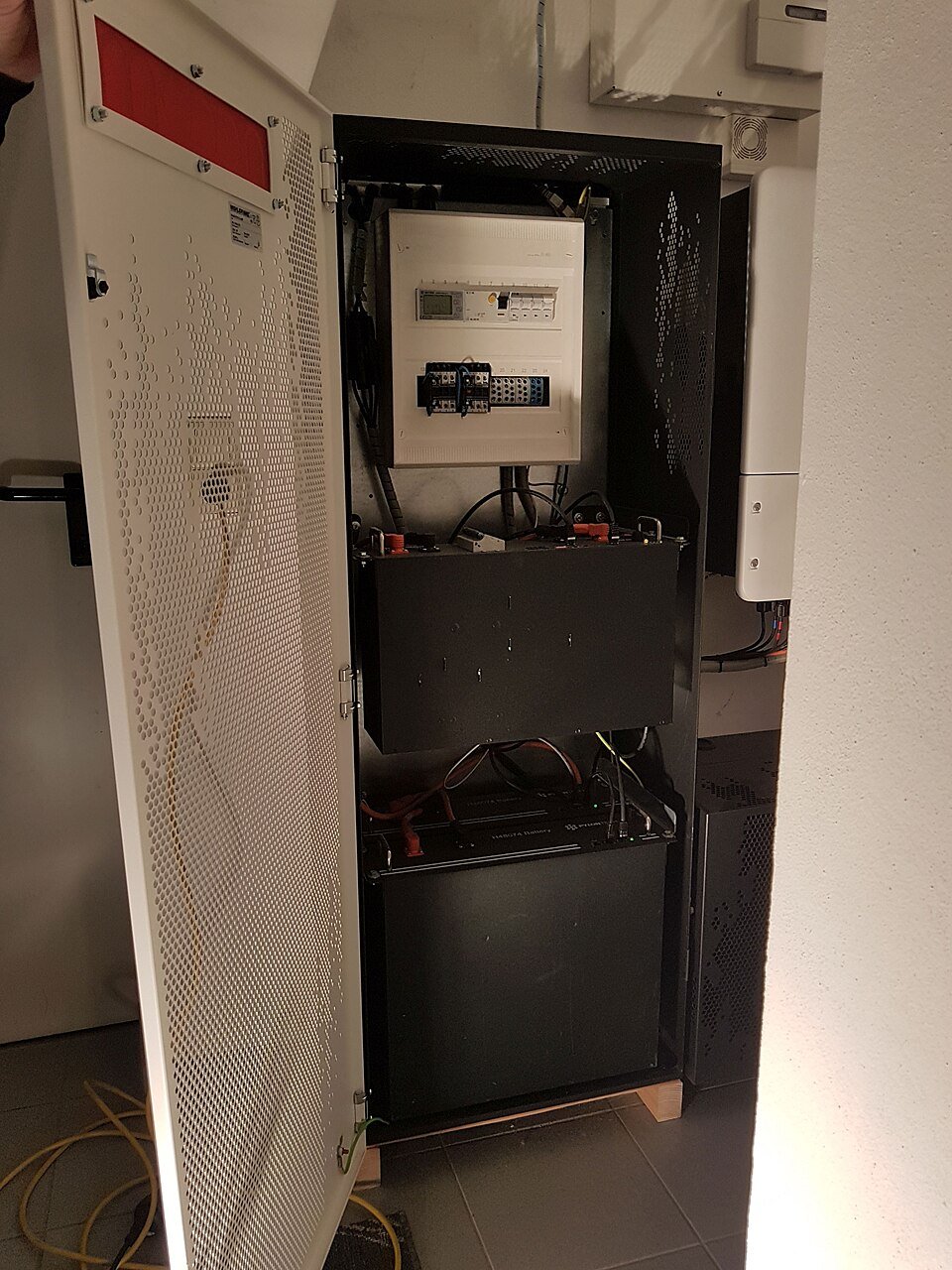
Cell temperature changes allowable operation
Lithium batteries operate within manufacturer-defined temperature ranges, but the broad storage or operating range does not mean full charging and discharging power is available at every temperature. Battery-management systems can reduce current, activate heaters or block charging to protect cells.
Cold-weather charging deserves special attention
Charging some lithium chemistries at low cell temperature can cause damage, so many systems restrict charging until the pack warms. Integrated heaters can help, but they consume energy and have their own activation conditions. A cold garage or outdoor enclosure therefore needs more than a simple minimum-temperature comparison.
Heat affects power and ageing
High ambient temperature can trigger inverter or battery derating and can accelerate calendar ageing. Direct sun on an enclosure, poor airflow or a hot utility room can make equipment substantially warmer than the outdoor weather report. Follow manufacturer clearance requirements and avoid enclosing equipment in a way that defeats designed cooling.
Climate control has an energy cost
Fans, pumps or battery heaters use energy. In a lightly cycled backup system those auxiliary loads can be a noticeable part of annual consumption. When comparing products for an extreme climate, look for published standby/heating behaviour and whether the installation location can reduce thermal-management demand.
Use site conditions in the comparison
Read cold-weather charging limits and battery clearance and safety checks. Confirm the exact regional installation manual because indoor/outdoor ratings and temperature limits can differ by product generation.
Design the installation location as part of the battery system
A battery datasheet temperature range does not mean every location inside that range delivers the same power, charging speed or life. Check direct sun, enclosure ventilation, wall temperature, seasonal lows, flood exposure and whether the manufacturer requires indoor or sheltered installation. For garages and plant rooms, consider how temperatures change when doors are closed and equipment is operating. Thermal conditions should be part of site design, not an afterthought after the battery model is chosen.