
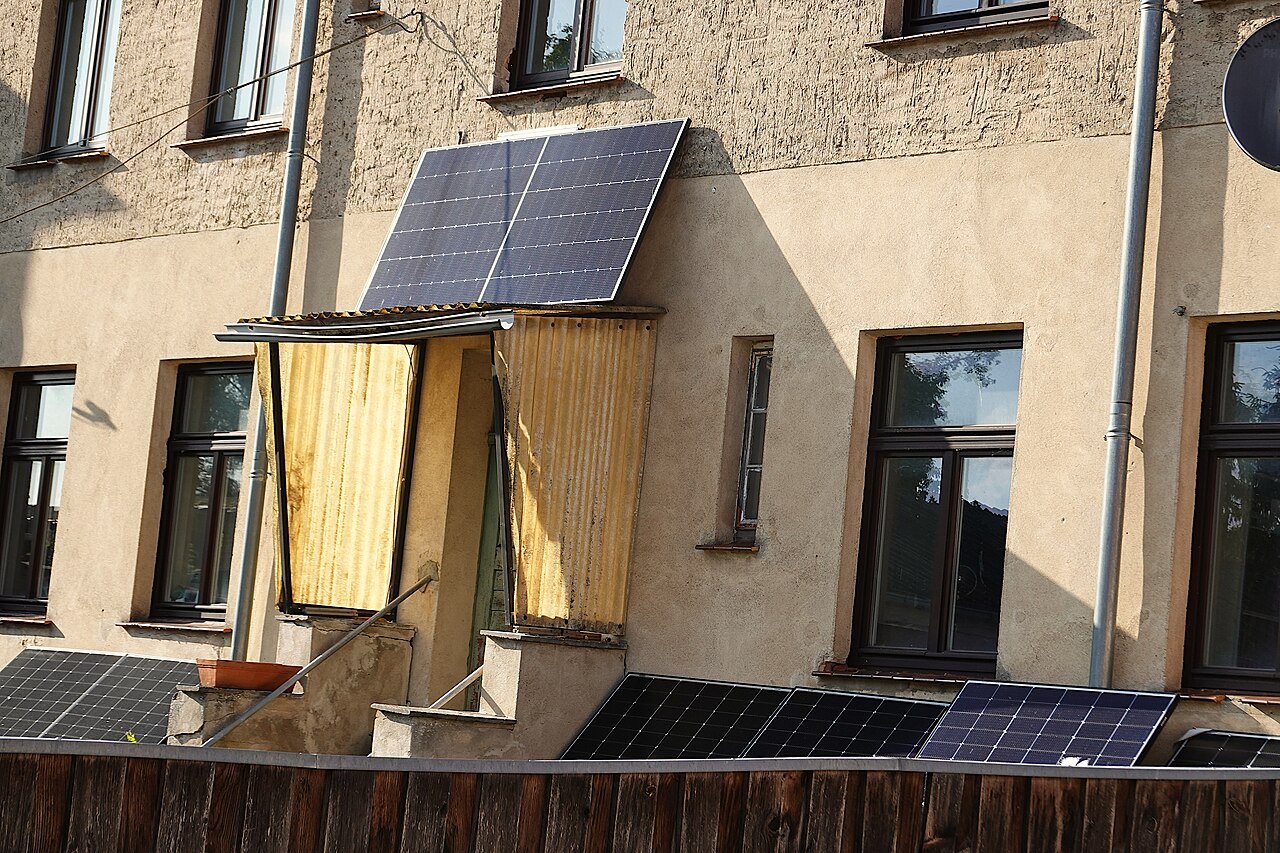
Plug-in solar is small, but it is still an electrical generation system
Balcony and plug-in PV can reduce daytime grid consumption without the complexity of a full rooftop system. The equipment is smaller, but safe mounting, electrical compatibility, product certification and local rules still matter.
Rules differ by country
Do not carry a rule from Germany, the UK or another market into a different country. Great Britain, for example, legalised plug-in solar from 27 August 2026, while German balcony-PV rules and registration processes are separate. Always check the current national and local requirements.
Match generation to daytime demand
An 800W kit does not produce 800W all day. Orientation, shade, season, temperature and inverter clipping change output. The best economics normally come when the home can use a large share of the generated electricity directly.
Mounting is a safety decision
Balcony railings, façades and roofs experience wind loads. Use mounting hardware intended for the exact location and panel geometry. Falling panels can create serious risk even when the electrical output is small.
Check the electrical route
Use only a system and connection method permitted in the local market. Follow the manufacturer instructions, confirm circuit/socket suitability where applicable, and never improvise adapters or protection arrangements.
When a full rooftop system is better
If the property has a suitable roof, significant daytime/evening consumption or plans for EV charging and battery storage, a conventional rooftop design may provide a more scalable system. Compare both routes using annual energy rather than panel count.
Related research: London, Berlin, solar-panel buying guide.