
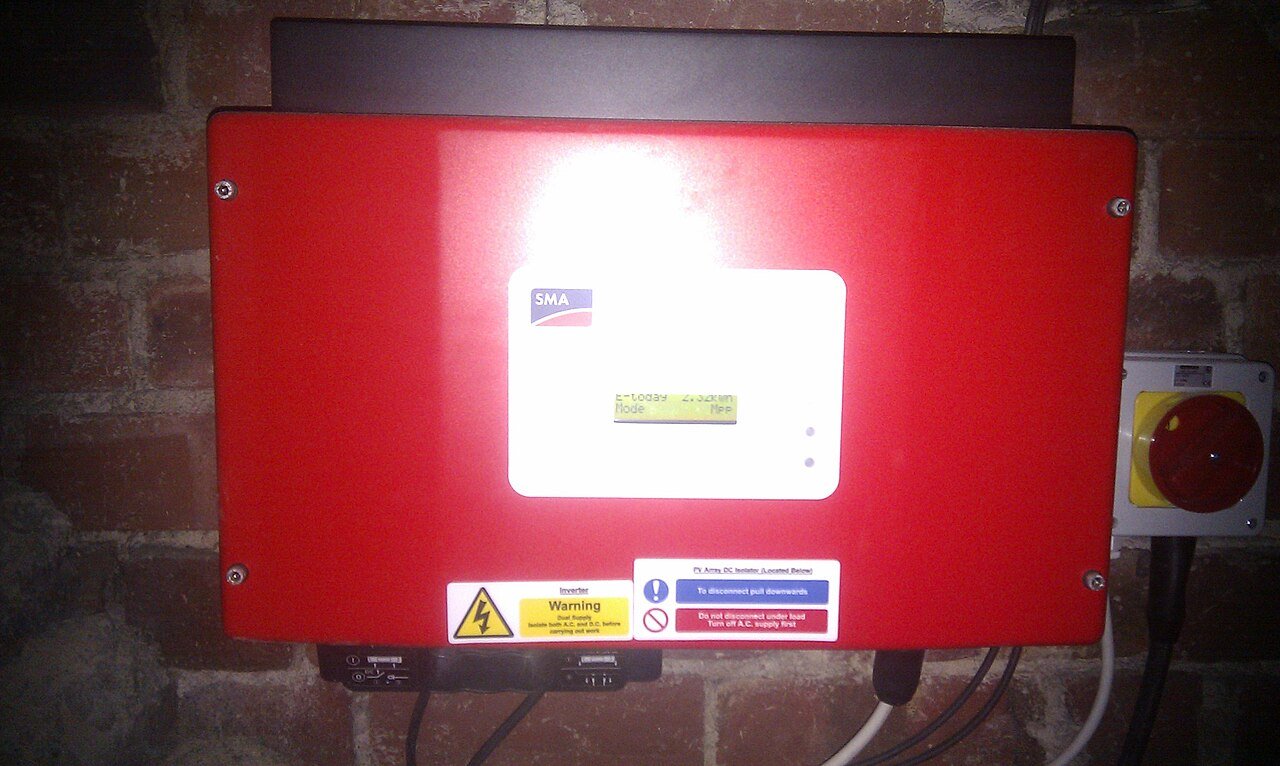
Startup voltage and MPPT voltage answer different questions
An inverter datasheet may list a startup voltage and a separate maximum-power-point tracking range. Startup voltage is the threshold the inverter uses to begin operating under suitable conditions. The MPPT range is the DC-voltage window in which the tracker is designed to regulate the array while seeking its maximum-power point. A string can therefore reach a startup threshold at one moment yet spend part of the day outside the most useful tracking window. Treating the two numbers as interchangeable can produce a design that looks acceptable on a quick datasheet scan but is poorly matched in real operation.
String voltage moves with temperature and irradiance
Module voltage is not fixed at its STC label. Open-circuit voltage normally rises as cell temperature falls, while operating voltage changes with temperature and irradiance. The practical check therefore uses the exact module electrical data, the inverter’s permitted DC limits, the number of modules in series and the site temperature assumptions. The cold-weather string-voltage guide explains why maximum Voc deserves a separate check from MPPT operation.
Use the exact input and tracker constraints
Multi-MPPT inverters can also impose current, short-circuit-current, power and connector limits per tracker or input. A voltage-only comparison is incomplete. Read the manufacturer’s current manual for the exact regional model, because similarly named inverter families may have different DC limits. Melnti’s MPPT voltage/current checklist brings those fields together without replacing an engineer’s system design.
What to compare before accepting a proposal
Ask the installer to identify the module model, modules per string, strings per tracker, expected cold Voc, expected hot operating voltage and the inverter limits used in the design. The objective is not to chase the lowest startup figure; it is to keep the array inside all approved electrical boundaries across plausible operating conditions. That evidence is more useful than a generic claim that the panels and inverter are “compatible.”