
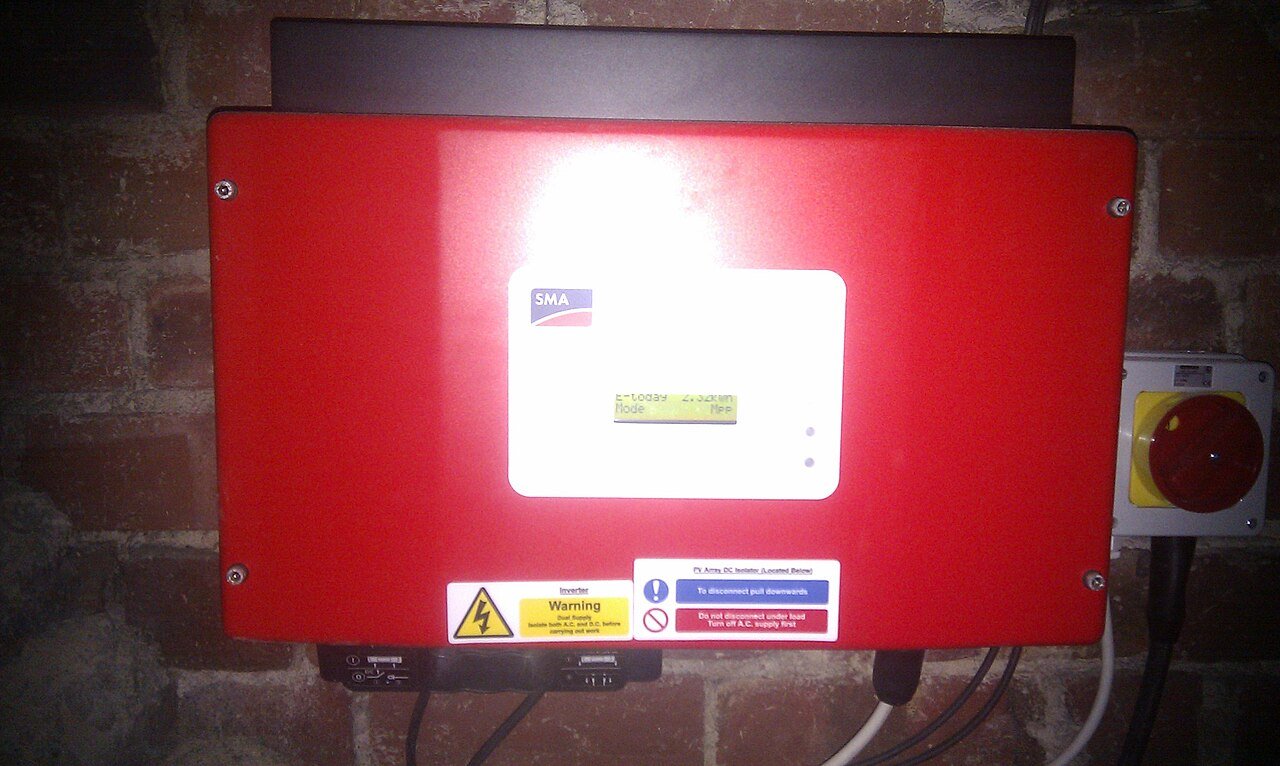
Continuous power is only one inverter limit
Off-grid systems frequently serve pumps, refrigerators, compressors and power tools that draw more power during startup than during steady operation. Record both running watts and realistic starting characteristics. Compare them with the inverter’s continuous rating, overload curve and surge duration rather than a single marketing “peak” number. A surge rating that lasts milliseconds may not support a motor that needs elevated current for several seconds.
Generator size must match both loads and battery charging
When a generator is connected, it may need to supply household loads while the inverter/charger also charges the battery. Configure the charger’s AC input-current limit so the combined demand does not overload the generator. An oversized generator can also operate inefficiently at very low load, so selection should consider the expected operating range rather than simply choosing the largest available unit.
Voltage and frequency quality matter
The inverter/charger may reject generator input if voltage or frequency moves outside its acceptance window. Some generators regulate more tightly than others, and sudden load steps can cause temporary excursions. Check the exact manufacturer requirements and any adjustable input ranges. Do not disable protective settings merely to force an unstable source to connect.
Neutral and transfer arrangements are safety-critical
Generator bonding, switched neutrals, transfer relays and grounding requirements depend on the inverter topology and local electrical rules. The system must prevent unsafe parallel sources and maintain required fault protection in each operating mode. This is a design and inspection issue, not just a software configuration.
Use load priority to avoid unnecessary generator starts
Non-essential loads such as water heating or EV charging may be shed when battery state of charge is low. Intelligent start/stop thresholds can reserve generator operation for conditions where it is genuinely useful. The appliance-load calculator can help build a first load list, but measured motor-start data may be needed for final sizing.
Commission every source transition
Test battery-only operation, generator start, generator acceptance, charging under load, generator stop and return to inverter supply. Record settings and firmware. For systems that also provide grid backup in other modes, the commissioning checklist provides a broader handover structure.