
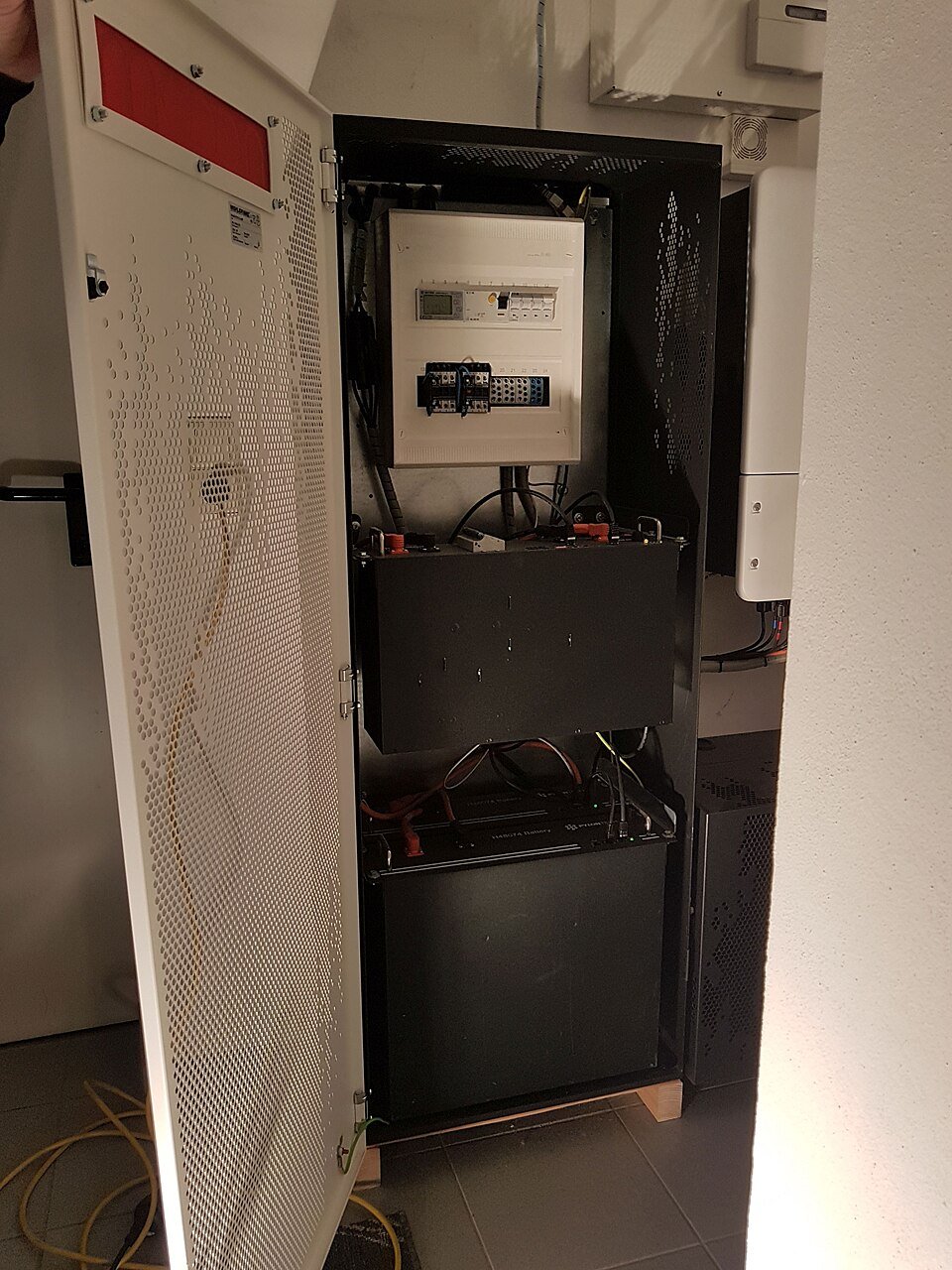
Identify the existing solar architecture first
Record the exact inverter model, number of phases, PV array size, MPPT configuration, meter and monitoring hardware. A proposal that says only ‘add a 10 kWh battery’ is incomplete because the retrofit path depends on whether the current inverter supports a compatible battery, whether an AC-coupled battery is being added, or whether the inverter itself must change.
Define the job the battery must perform
Self-consumption, time-of-use shifting, outage backup and export control are different design goals. If backup matters, list the circuits that genuinely need power and note motor or compressor starting loads. Confirm whether the proposed system can operate during a grid outage and what transfer or backup-interface equipment is required.
Check the electrical installation and physical site
An installer should review main-board capacity, available breaker space, earthing, cable routes, phase arrangement, meter configuration and the proposed battery location. Clearance, weather exposure, flooding risk, ventilation requirements and manufacturer temperature limits can rule out an otherwise convenient location.
Confirm software and monitoring ownership
Retrofits can create two monitoring ecosystems. Ask whether solar and battery data appear together, who owns the administrator account, how firmware is updated and what happens if internet connectivity is lost. Save account-transfer steps as part of the handover.
Treat approvals and export settings as project-specific
Grid connection rules, permitted export, equipment certifications and inspection requirements vary by market. The installer should identify the applicable process before installation and preserve the approved settings after commissioning.