
Read the coefficient together with its reference condition
Module power ratings are commonly stated under standard test conditions. A power temperature coefficient expressed as a negative percentage per degree Celsius indicates how rated power changes as cell temperature moves above the reference temperature. Compare coefficients only when the definition and units match.
Cell temperature is not the same as forecast air temperature
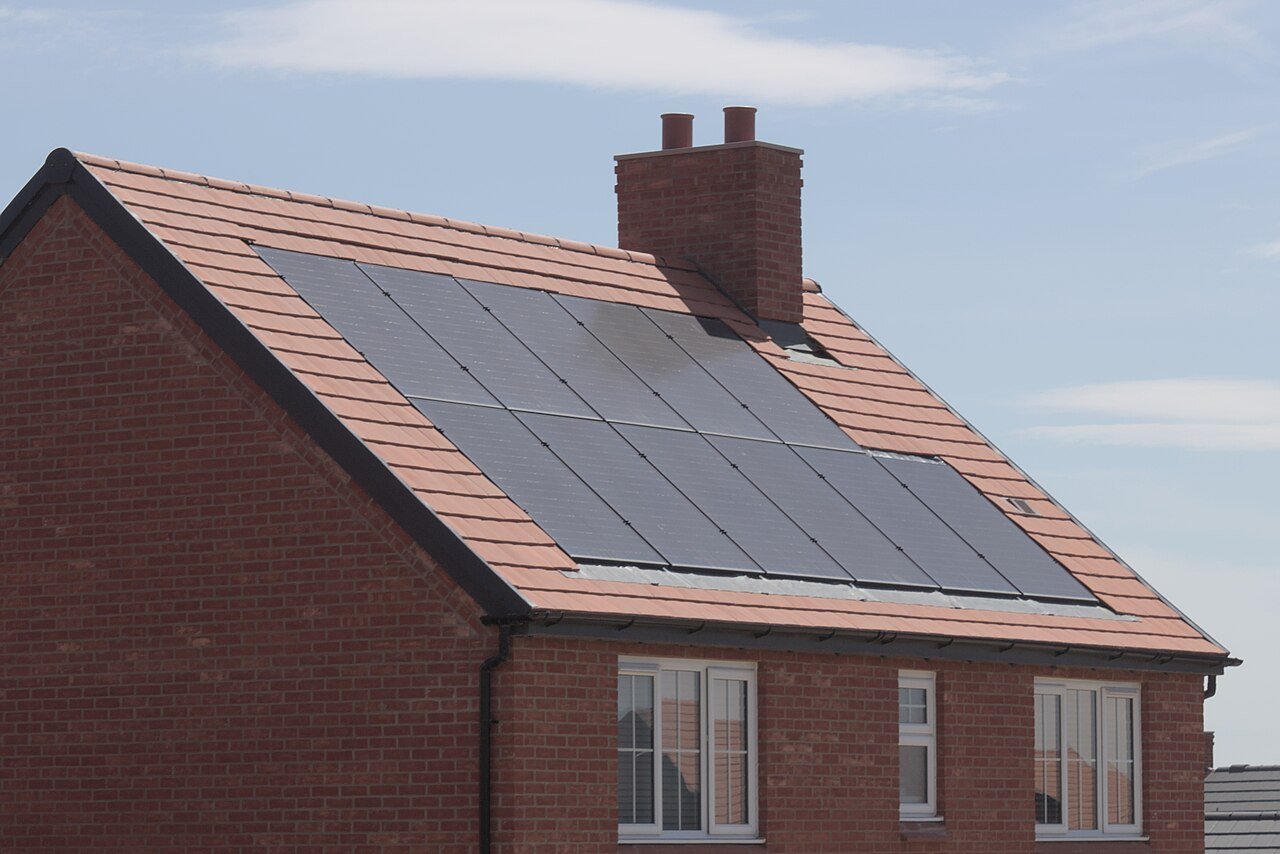
Sunlight heats the module above ambient air temperature, while wind, mounting height, roof material and ventilation influence how quickly heat is removed. A flush dark roof and a well-ventilated ground mount can therefore experience different module temperatures on the same day.
Voltage is often the critical design implication
Open-circuit voltage rises in cold conditions, which matters when checking a string against an inverter’s maximum DC voltage. Operating voltage falls as modules heat up, which can matter at the lower edge of an MPPT window. Good string design therefore checks both a credible cold case and a credible hot operating case.
Do not rank panels by one coefficient alone
Efficiency, dimensions, power density, bifacial behavior, mechanical ratings, degradation terms, product warranty, regional certifications and installer familiarity can be more important for a specific site. A slightly better coefficient does not automatically make a panel the better system choice.
Use exact model data
Panel families can contain several watt classes with different electrical values. Melnti’s verification policy therefore treats an exact model or watt-class datasheet as stronger evidence than a generic brand claim.
Related Melnti checks
read a panel datasheet solar panel buying guide bifacial site checklist