
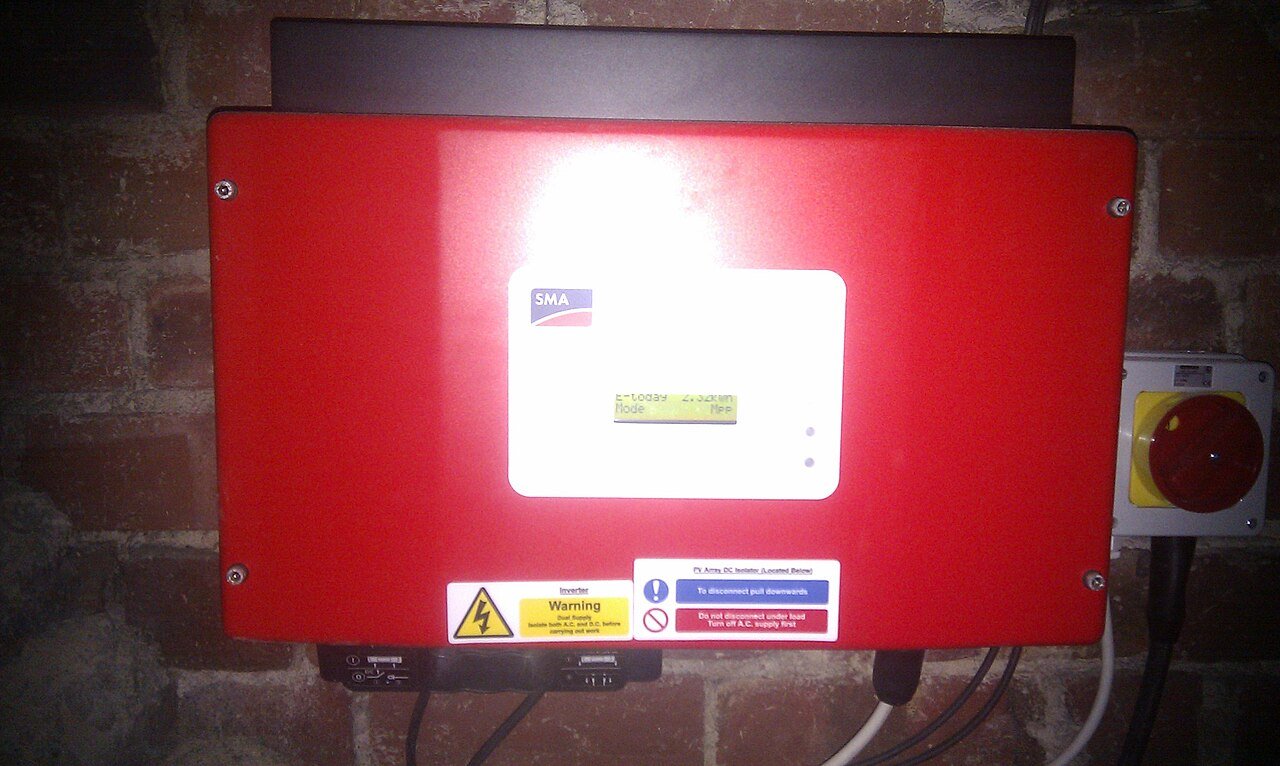
Power electronics have operating-temperature limits
An inverter converts substantial power in a compact enclosure and must remove heat. Manufacturers specify an ambient operating range and may reduce output above certain conditions to protect components. This thermal derating can occur even when the solar array could otherwise produce more power. The exact curve and threshold are product-specific, so use the current datasheet or manual rather than a generic temperature assumption.
Fan speed can follow load and temperature
Inverters with active cooling may become more audible during high production, battery charging or hot weather. A change in fan speed is not automatically a defect. At the same time, persistent abnormal noise, repeated overheating warnings or blocked ventilation deserves inspection. Record the time, power level, ambient conditions and any error code before requesting service; that evidence is more useful than a description such as “the inverter is loud.”
Installation location affects cooling margin
Required clearances, direct-sun guidance and allowable enclosure orientation should be checked during design. A technically weather-rated inverter can still run hotter in direct afternoon sun or in a poorly ventilated enclosure. Do not add improvised covers or ventilation modifications that conflict with manufacturer requirements. The inverter string checklist handles electrical input limits, while installation clearance remains a separate thermal and service issue.
Use monitoring to distinguish weather from systematic loss
Compare production on similar clear days at different temperatures and review inverter event logs where available. A brief high-temperature reduction can be consistent with protective behavior; sustained underperformance across cool conditions points to a different investigation. Keep thermal observations with the monitoring checklist so data quality is verified before conclusions are drawn from a graph.