
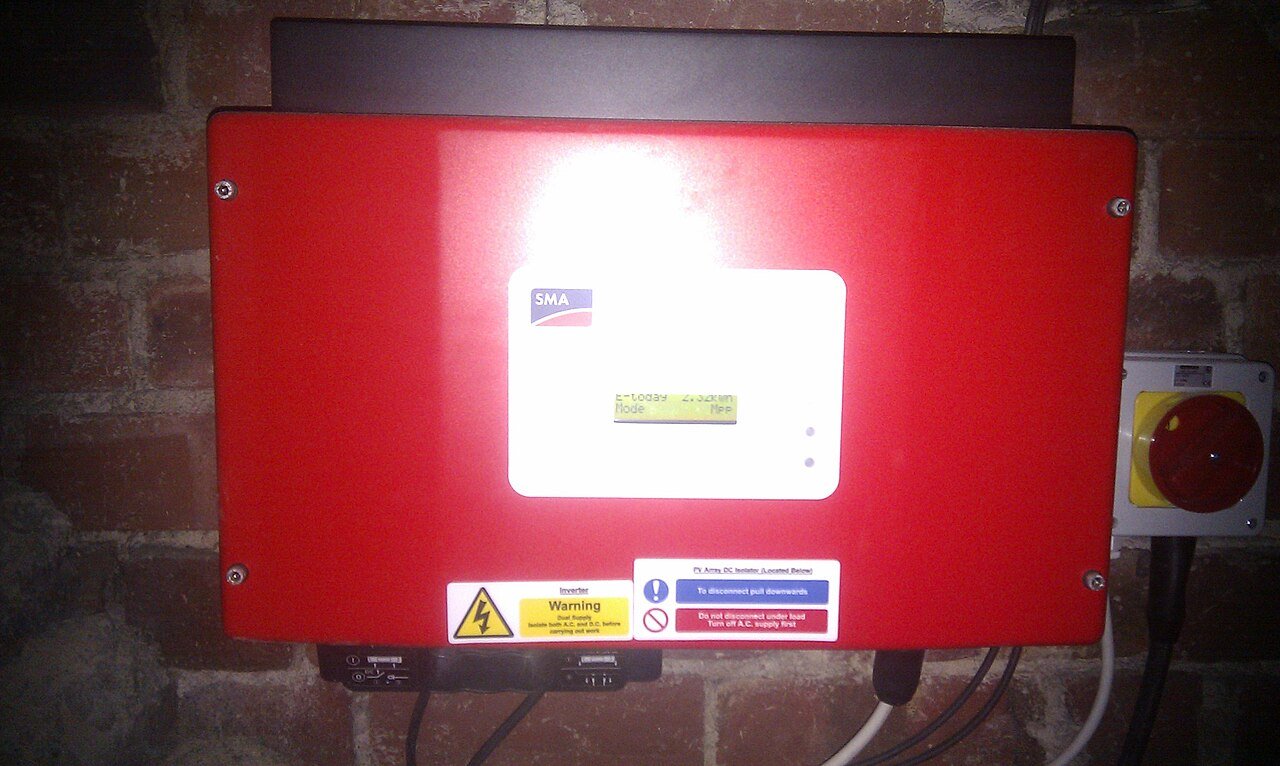
Zero solar generation does not always mean zero inverter consumption
Modern inverters keep communications, control electronics, relays, meters or battery interfaces active for part of the night. Hybrid and backup systems may need to monitor the grid and maintain battery-management functions continuously. Datasheets therefore sometimes list night consumption, standby consumption or self-consumption. These figures are useful, but manufacturers do not always define or measure them in exactly the same operating state.
Translate watts into annual energy carefully
A constant 10 W load would equal about 87.6 kWh over a full year, but an inverter may not remain in that state for every hour. It can enter deeper sleep modes, wake for communications, charge from the grid or operate a battery system. Compare the manufacturer’s stated conditions rather than multiplying a single headline number and treating the result as guaranteed annual loss.
Battery systems introduce additional auxiliary loads
Battery modules, gateways, backup interfaces, communications equipment and thermal management can all consume energy. Round-trip efficiency and auxiliary consumption describe different losses, so avoid using one as a substitute for the other. See battery round-trip efficiency and conversion losses for the broader energy-flow picture.
Use monitoring to identify unusual behaviour
A small overnight draw can be normal; a sudden persistent increase may indicate a configuration change, battery heating/cooling, communications issue or equipment that is no longer sleeping as expected. Record grid import, battery SOC and inverter status across several nights before assuming a fault. If the numbers appear inconsistent, the monitoring data sanity checklist can help organize evidence for an installer. Efficiency decisions should focus on total system behaviour, not one isolated standby specification.