
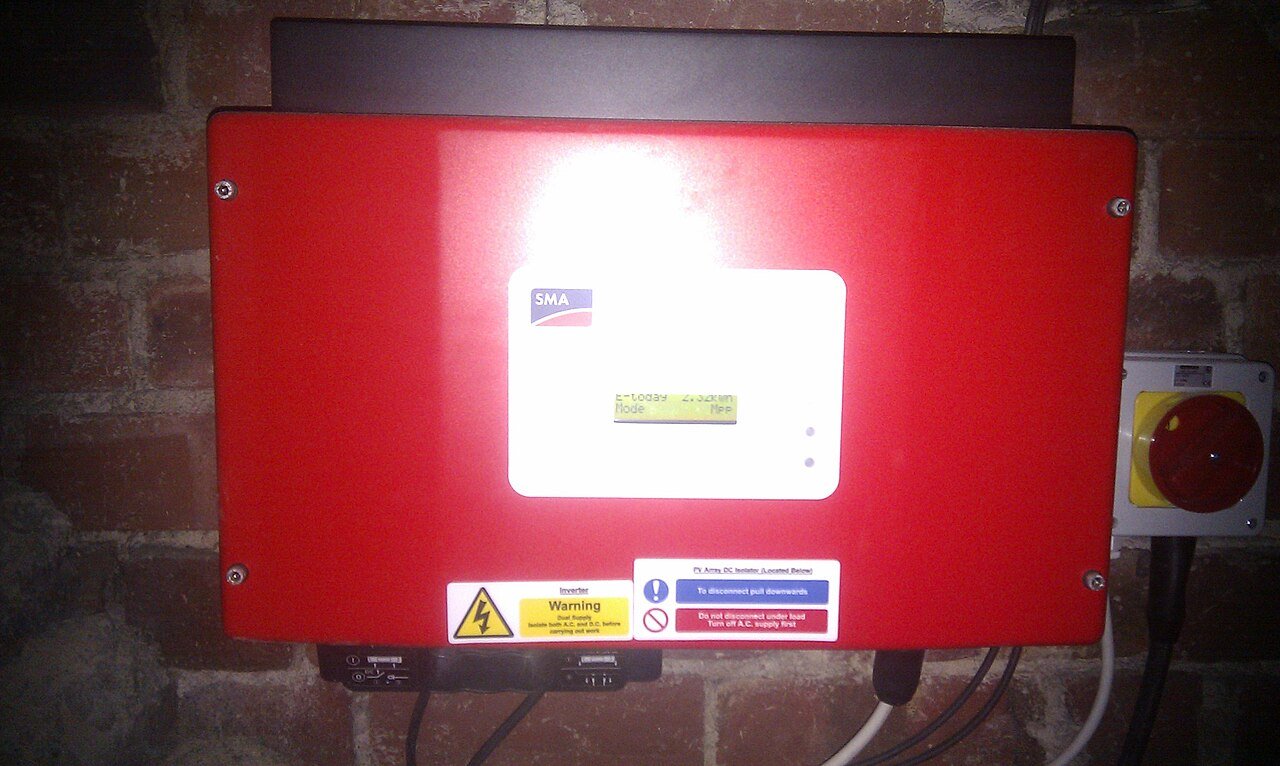
Maximum efficiency is a best operating point
Maximum efficiency is normally the highest conversion efficiency an inverter reaches under a particular voltage and load condition. It is useful for understanding the hardware ceiling, but a home or commercial inverter rarely operates at that exact point all day. Morning ramp-up, clouds, partial loading, high temperature and changing DC voltage move the operating point, so the maximum figure should not be treated as annual energy efficiency.
Weighted efficiency adds realistic operating points
European and CEC weighted efficiencies combine measurements at several power levels using different weighting assumptions. They are designed to give a more representative comparison than a single peak value. They are not interchangeable, however: a CEC result and a European result use different load distributions, so compare like with like and check that the same regional model is being evaluated.
Voltage matters as well as loading
Many manufacturer tables show efficiency at more than one DC voltage because switching and conversion losses change with operating voltage. A system whose string voltage spends most of the year far from the test point may not reproduce the headline result. Use the inverter MPPT window, string design and expected module temperature together rather than choosing equipment from efficiency percentage alone.
A small percentage can still matter at scale
The difference between 97 and 98 percent sounds small, but on a high-throughput commercial system it can represent meaningful annual energy. For a residential project, reliability, clipping behaviour, standby consumption, warranty, service and compatibility may matter more than a few tenths of a percentage point. Model annual yield instead of multiplying the nameplate rating by peak efficiency.
Compare efficiency with the rest of the design
Use the inverter sizing guide and the MPPT voltage/current guide alongside exact manufacturer data. Melnti records efficiency as one input to a system decision, not as a stand-alone winner score.