
Chemistry changes cell characteristics
Lithium iron phosphate, commonly shortened to LFP or LiFePO4, and nickel-manganese-cobalt, commonly NMC, use different cathode materials. They can differ in energy density, voltage curve, thermal behaviour and cycle characteristics. Those tendencies are useful context, but a finished home battery also includes enclosure design, sensors, battery-management software, fuses and contactors.
Safety is a system property
LFP is often selected for its thermal-stability characteristics, but no lithium battery should be treated as intrinsically risk-free. Certification, cell quality, mechanical protection, installation clearances and fault management remain important. A poorly installed LFP system should not be assumed safer than a well-engineered certified NMC system solely because of chemistry.
Longevity depends on operating conditions
Cycle life is influenced by depth of discharge, temperature, charge rate, time spent at high state of charge and the manufacturer’s control strategy. Warranty terms can be more useful than an isolated laboratory cycle claim because they describe the conditions under which the manufacturer will support the product. Compare retained-capacity thresholds and throughput where published.
Energy density affects packaging
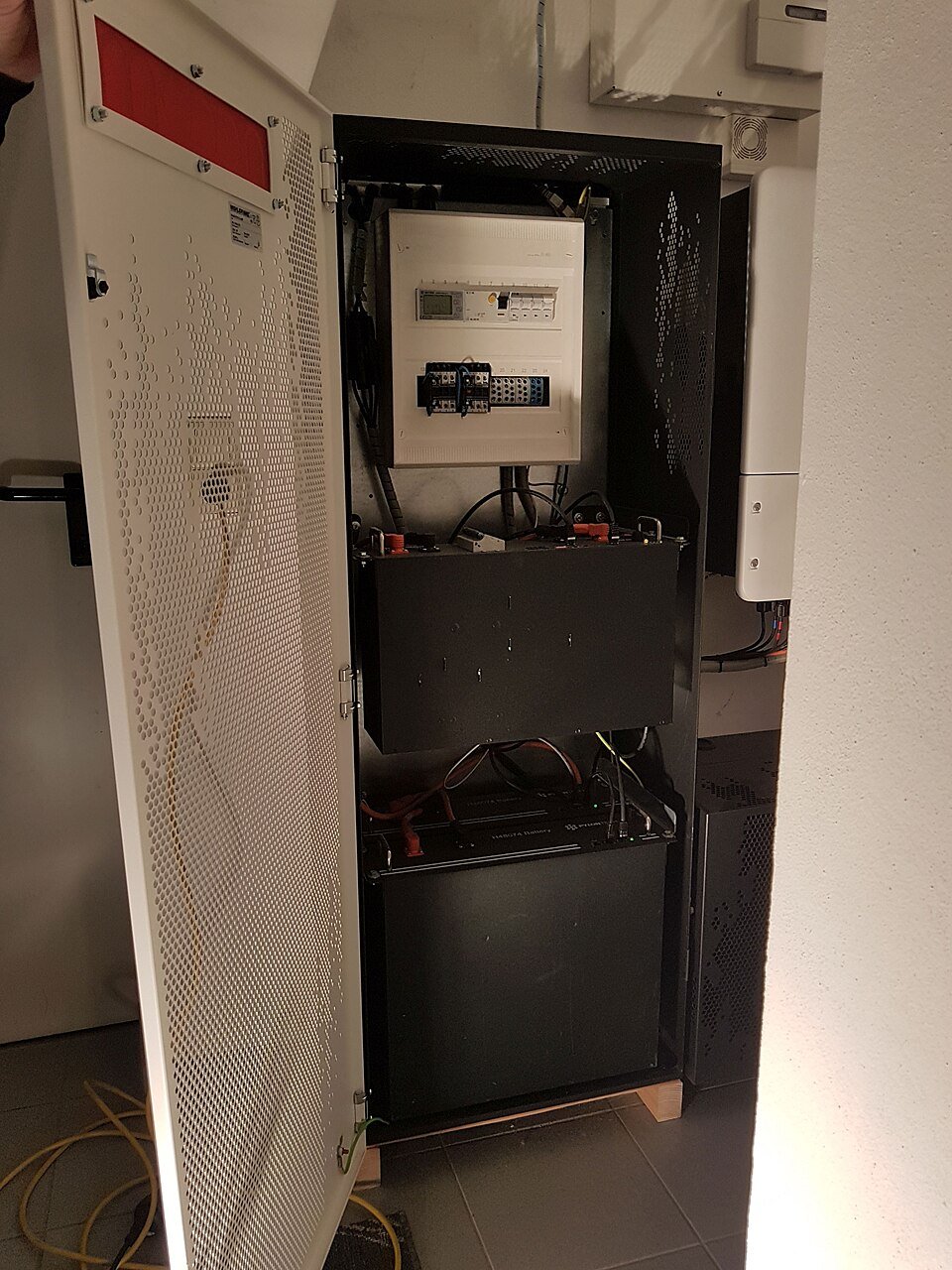
NMC can offer high energy density, while LFP systems may use more physical volume for similar stored energy. In a home installation, wall space, floor loading and clearance requirements can matter more than cell-level gravimetric energy density. Compare complete-system dimensions and usable energy rather than extrapolating from raw-cell chemistry.
Compatibility can outweigh chemistry preference
The battery must communicate with an approved inverter, operate in the required temperature range and support the intended backup or grid service. If a preferred chemistry is not approved for the inverter or market, forcing the pairing can create warranty and safety problems. Choose among verified system combinations first, then compare chemistry within that valid set.
Use the checks together
Battery warranty guide Battery installation-safety checklist should be used alongside the equipment manuals and local electrical requirements.