
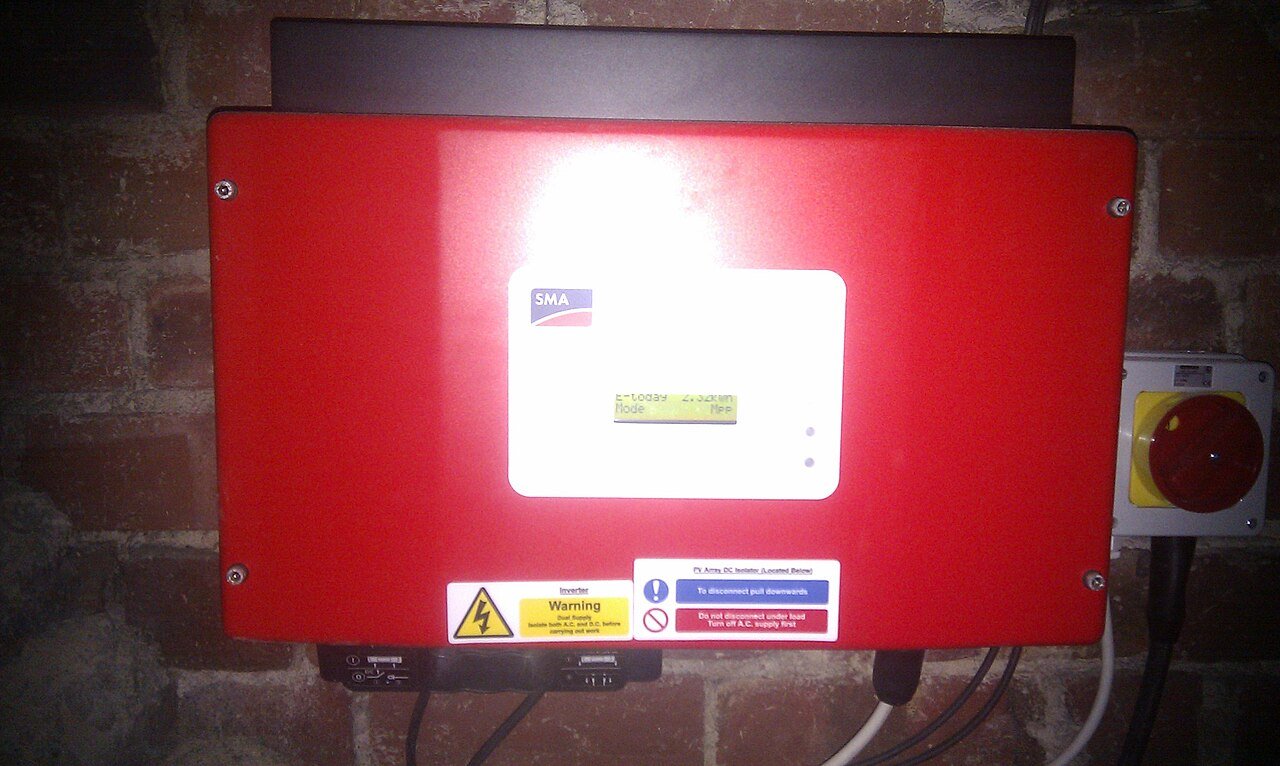
The architectures convert solar in different places
Microinverters convert each module’s DC output to AC on the roof. A hybrid string inverter normally collects DC strings centrally and can integrate a compatible battery on a DC bus. Both can support sophisticated home-energy systems, but their backup hardware, communications and energy paths are different.
Backup depends on the complete ecosystem
A microinverter array does not automatically provide power when the grid fails. It needs approved islanding/control equipment and, depending on the design, a compatible battery and system controller. A hybrid inverter also needs the correct transfer arrangement and battery. Compare the complete approved bill of materials rather than the inverter alone.
Module-level electronics can help complex roofs
Separate MPPT at each module can be useful on roofs with multiple orientations or localized shading. A well-designed string system can also handle multiple roof planes using several MPPTs and can avoid placing power electronics under every panel. Roof access, replacement labour and monitoring preferences should be part of the ownership comparison.
Battery expansion rules differ
Some ecosystems allow additional batteries or generation later, but firmware, gateway ratings, branch circuits, export settings and regional approvals can constrain expansion. Check what can be added after commissioning and whether expansion requires matching battery generations or replacing control hardware.
Choose from an approved system design
Read microinverter vs string inverter and hybrid backup checks. An installer should verify the exact Enphase or hybrid product generation, grid profile and backup topology for the site.
Plan around the outage mode, not the brand label
Before choosing either route, draw the actual outage scenario: which circuits must stay live, whether rooftop solar must continue producing with the grid down, how much battery energy is needed, and whether an existing array is being retained. Ask for the exact gateway, transfer equipment and communications path in writing. This exposes architecture differences that a simple inverter-efficiency or warranty comparison will miss.