
Start with usable energy, then look beyond it
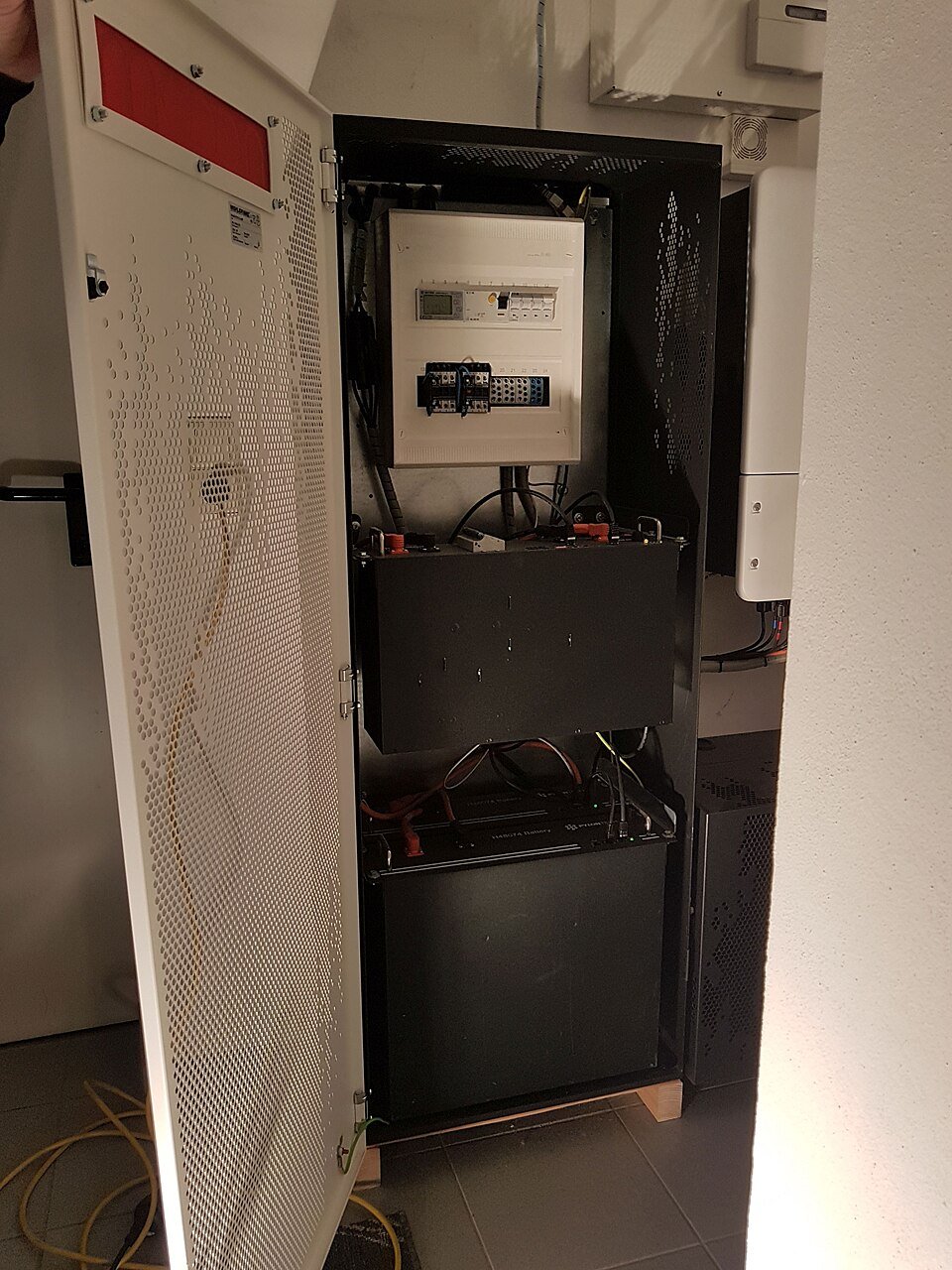
A 10 kWh label is useful for estimating runtime, but it is not a complete description of a home battery. One system may achieve roughly 10 kWh with two high-voltage modules, another with a different module count or a different voltage architecture. Compare usable rather than nominal energy, then document the exact module and control-unit codes. The usable versus nominal capacity guide explains why the headline number can differ from energy available to the home.
Voltage architecture determines inverter fit
High-voltage stacks operate across a manufacturer-defined voltage window. The inverter must support that window and the battery’s communications protocol. A capacity match alone is not enough. Check approved battery lists, minimum firmware, permitted tower count and whether the inverter changes charge/discharge limits at certain stack sizes.
Power can differ even when energy is similar
Two 10 kWh systems may deliver different continuous or peak power because the inverter, battery current limit and thermal design differ. A home with several motor loads or whole-home backup ambitions needs a power study in addition to an energy study. Review battery capacity versus power before comparing quotes.
Expansion strategy affects long-term flexibility
Ask whether another module or tower can be added later, how old the original modules may be when expansion occurs, and whether commissioning requires state-of-charge balancing. Also ask whether adding storage changes warranty registration or requires a firmware update. These details can matter more than a small difference in initial capacity.
Backup topology must be compared as an installed system
Battery capacity does not prove that the system can run during a grid outage. Compare transfer hardware, backed-up circuits, black-start behaviour, solar operation during an outage and restart sequence. Use the backup readiness checklist to keep those items in scope.
Use exact equipment evidence
For a serious comparison, place the two manufacturer datasheets, inverter compatibility documents and commissioning requirements side by side. Record model numbers and regional variants. Melnti treats a product-family name as insufficient when a regional SKU, firmware requirement or accessory changes the system behaviour.