
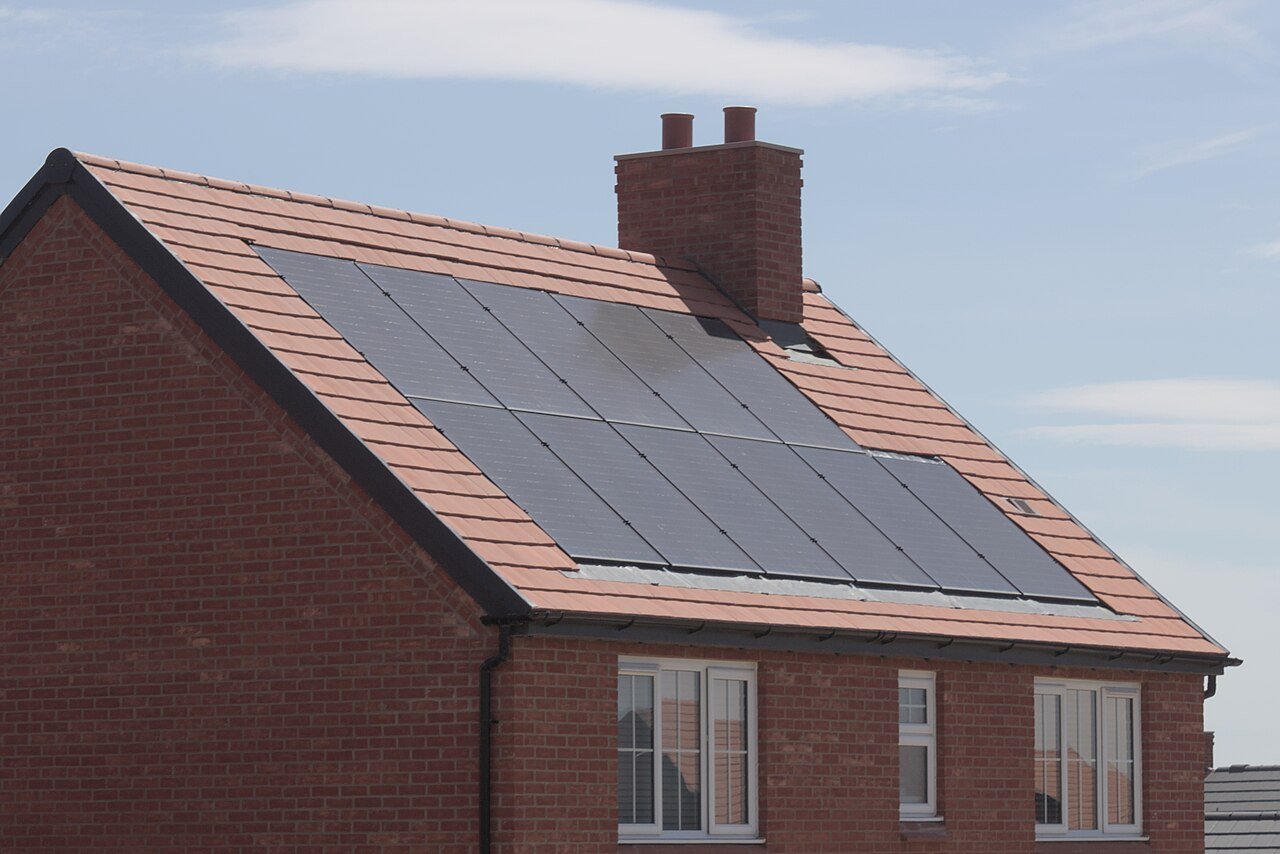
Start with the installation, not the biggest wattage
Renogy sells solar modules in several physical formats for rooftops, vehicles, cabins and portable use. The useful first question is where the panel will be mounted or carried, because a rigid framed module, a flexible panel and a portable suitcase solve different mechanical problems even when their headline wattages look similar.
Match voltage and current to the controller or inverter
Use the exact panel datasheet together with the exact charge-controller or inverter input limits. Check open-circuit voltage, operating voltage, short-circuit current, operating current, series/parallel layout and the cold-weather voltage margin. Do not assume two Renogy panels are interchangeable merely because both are described with the same wattage.
Separate fixed, bifacial and portable use cases
Bifacial modules can collect light from the rear when the mounting geometry and ground reflectance make that possible. Flexible panels can reduce weight and follow some curved surfaces, but mounting, heat and surface preparation matter. Portable panels prioritize deployment and storage. Compare the physical format before comparing price.
Keep the exact model visible through the buying path
Melnti keeps manufacturer research destinations separate from commercial offers. When a verified Renogy affiliate offer is available, the purchase button should still correspond to the exact product record you are reading rather than a generic store or search page.
Check the mechanical constraints before ordering
Measure the usable mounting area rather than the total roof, rack or vehicle surface. Leave room for clamps, cable routing, vents, roof hardware and maintenance access. Record the proposed orientation and whether partial shading is likely during the day. A physically larger module can be a poor fit even when its electrical rating looks attractive. For a mobile installation, also consider vibration, wind loading and how the panel will be stored or secured while travelling.
Compare complete electrical strings, not isolated panels
When several panels will be connected together, calculate the string voltage and current for the planned series/parallel arrangement. The controller or inverter must remain within its input limits across expected operating temperatures. Mixing panels with materially different electrical characteristics can reduce the usefulness of the array, so note the exact model and electrical values of every module already installed before expanding a system.
Use a model-level buying checklist
Before buying, write down the exact model or variant, panel count, physical dimensions, connector type, rated power, voltage/current values and the device that will receive the solar input. Then compare the merchant listing against that checklist. Renogy sometimes sells multiple wattages or quantities through one product family page, so the selected variant matters. Melnti treats a one-panel listing and a multipack as different commercial offers rather than assuming that one can stand in for the other.
Manufacturer references
Continue with Melnti’s solar-panel research, inverter sizing guide and solar sizing calculator.