
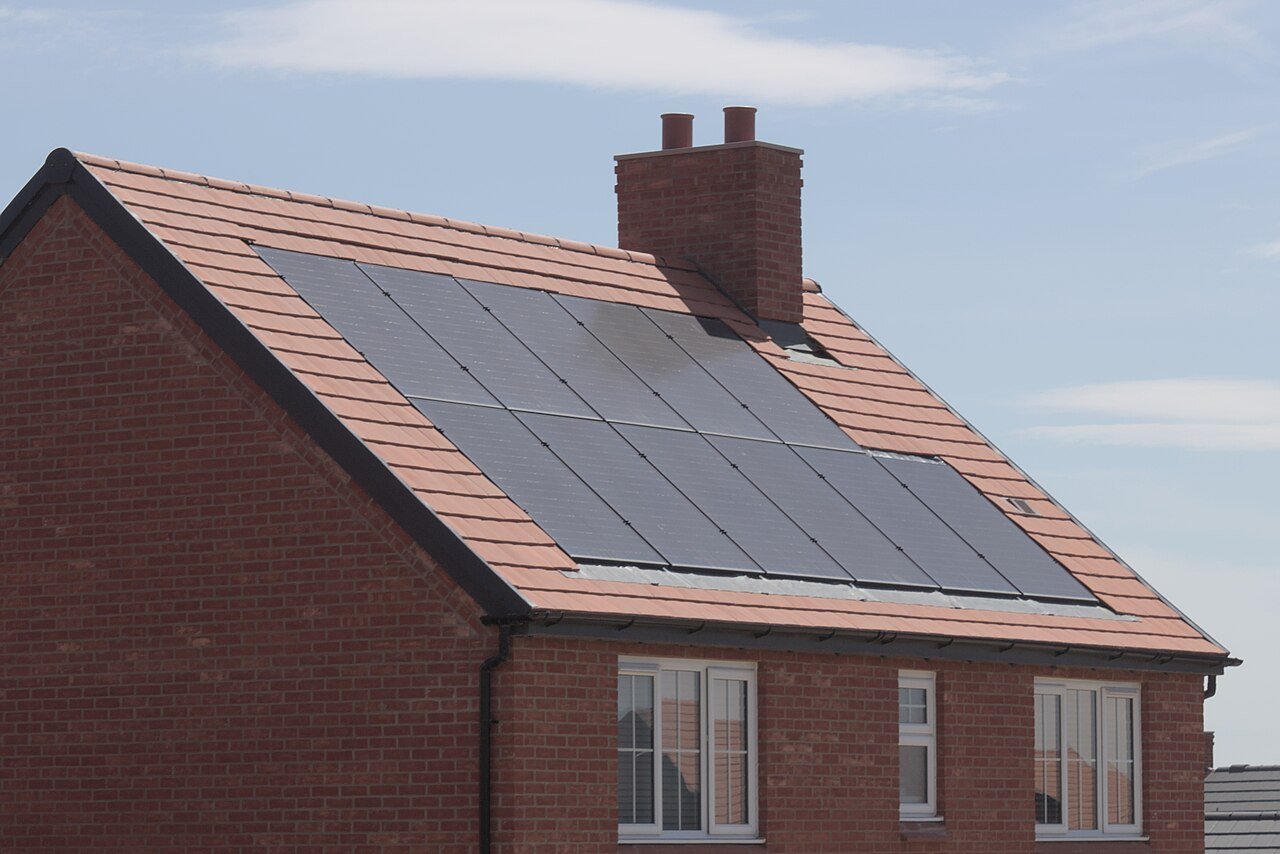
Portable and rigid panels solve different jobs
A folding panel can be ideal for camping, temporary backup or a power station that moves between locations. A rigid module is usually the better starting point for a permanent roof, rack or ground mount. The important compatibility question is not which format is “better” but whether the exact panel’s electrical output, connector arrangement and intended installation method match the receiving equipment.
Check the electrical window first
Write down the panel’s Voc, Vmp, Isc and Imp, then compare them with the power station, charge controller or inverter limits. If panels will be connected in series, voltage adds. If they will be connected in parallel, current adds. Never assume that two 200 W panels are interchangeable: one can operate at roughly 20 V while another is designed around a much higher voltage. The Voc, Vmp, Isc and Imp guide shows how to read those numbers.
Connector shape is not enough
MC4-style solar connectors, proprietary adapters and barrel connectors can make two products look physically connectable while the electrical limits remain wrong. Some portable-power brands publish explicit panel or adapter compatibility lists. Treat those manufacturer matrices as stronger evidence than a marketplace listing that simply says “universal.” When an adapter is required, confirm both the connector polarity and the allowed current.
Installation environment changes the decision
Portable panels may have splash or dust ratings but still be unsuitable for permanent exposure, wind loading or roof attachment. Rigid modules are designed around mounting rails, clamps and mechanical load limits but are less convenient to deploy temporarily. Flexible and semi-flexible products have their own bend-radius, heat-dissipation and adhesive requirements. Use the manufacturer’s installation method instead of improvising from appearance.
Document the pairing before purchase
For a reliable quote, record the exact panel model, receiving device, connection method, quantity, series/parallel arrangement and the source that proves compatibility. If no manufacturer-approved pairing exists, verify the electrical limits independently and label the conclusion honestly. Melnti’s Parts & Components surface is being expanded around this evidence-first approach so a compatibility badge reflects documented support rather than guesswork.