
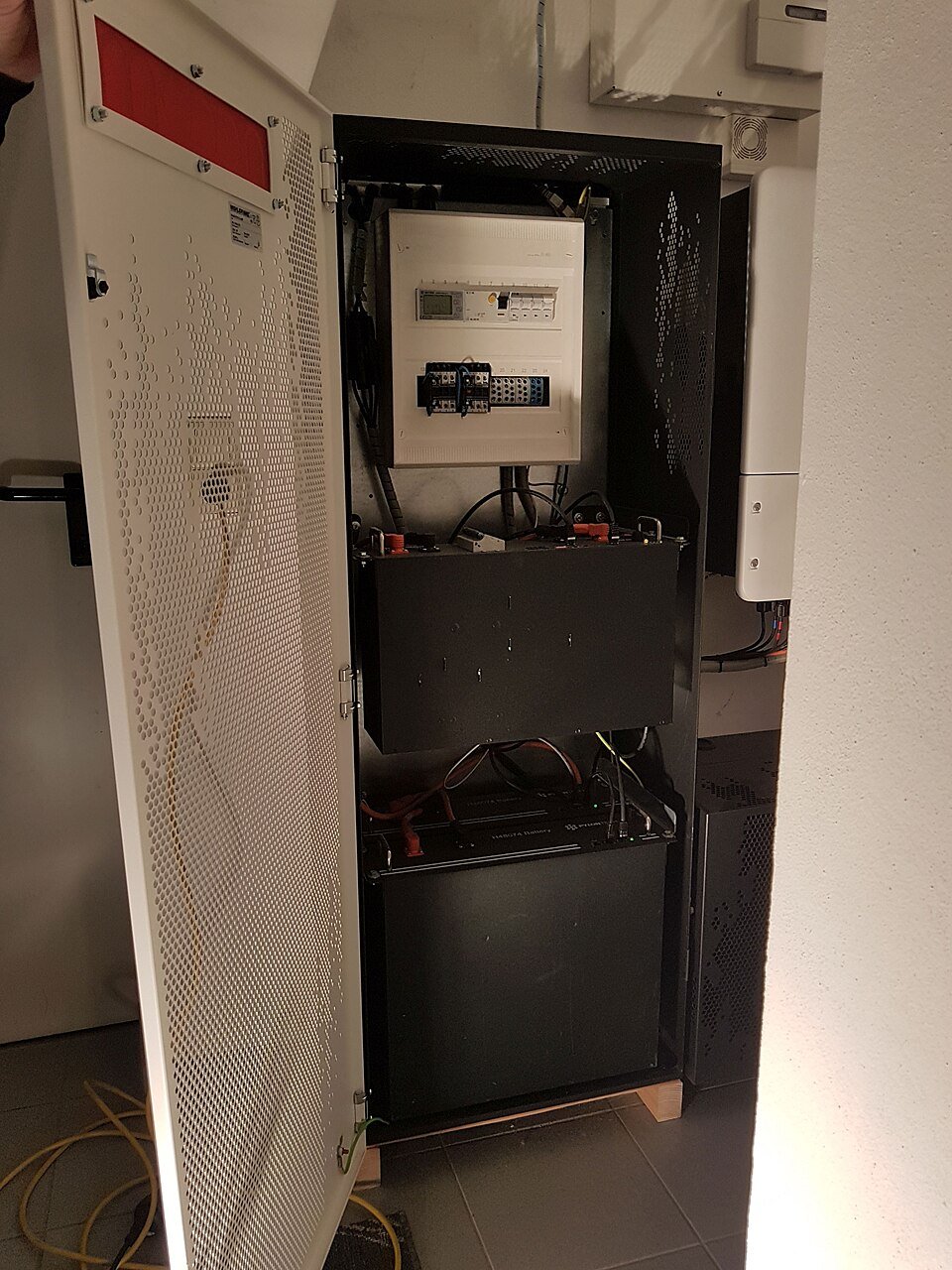
Capacity and power solve different problems
A 10 kWh battery describes stored energy, not automatically how large a load it can run. Continuous power describes the level the system can sustain under the manufacturer’s stated conditions. Peak or surge power is a higher output allowed for a limited duration. When a refrigerator compressor, pump or air conditioner starts, the short-duration demand can be very different from its normal running power, so both the continuous and transient limits matter.
Read the duration and conditions behind every peak number
A headline “10 kW peak” is incomplete if the datasheet does not say whether that means a few seconds, tens of seconds or a temperature-limited operating mode. Some limits are set by the battery, others by the inverter, gateway, branch circuit or configured backup system. In a modular battery stack, adding energy modules may or may not increase available output at the same rate. Compare the complete approved system rather than adding unrelated battery and inverter ratings together.
Backup design should start with measured loads
List the circuits that must remain available during an outage and distinguish normal running demand from equipment-starting demand. Melnti’s essential-loads vs whole-home guide and backup readiness checklist help structure that conversation. Large heating elements, EV charging and multiple motors can change the design quickly.
Derating and reserve settings still matter
Temperature, state of charge, firmware, battery age and manufacturer protection logic can reduce available power. A specification measured under favourable laboratory conditions should not be treated as a guarantee of identical outage performance in every installation. Ask the installer to document the continuous load budget, expected starting loads, battery reserve and any equipment that will be automatically shed. That produces a more credible backup plan than selecting a battery only by kWh.