
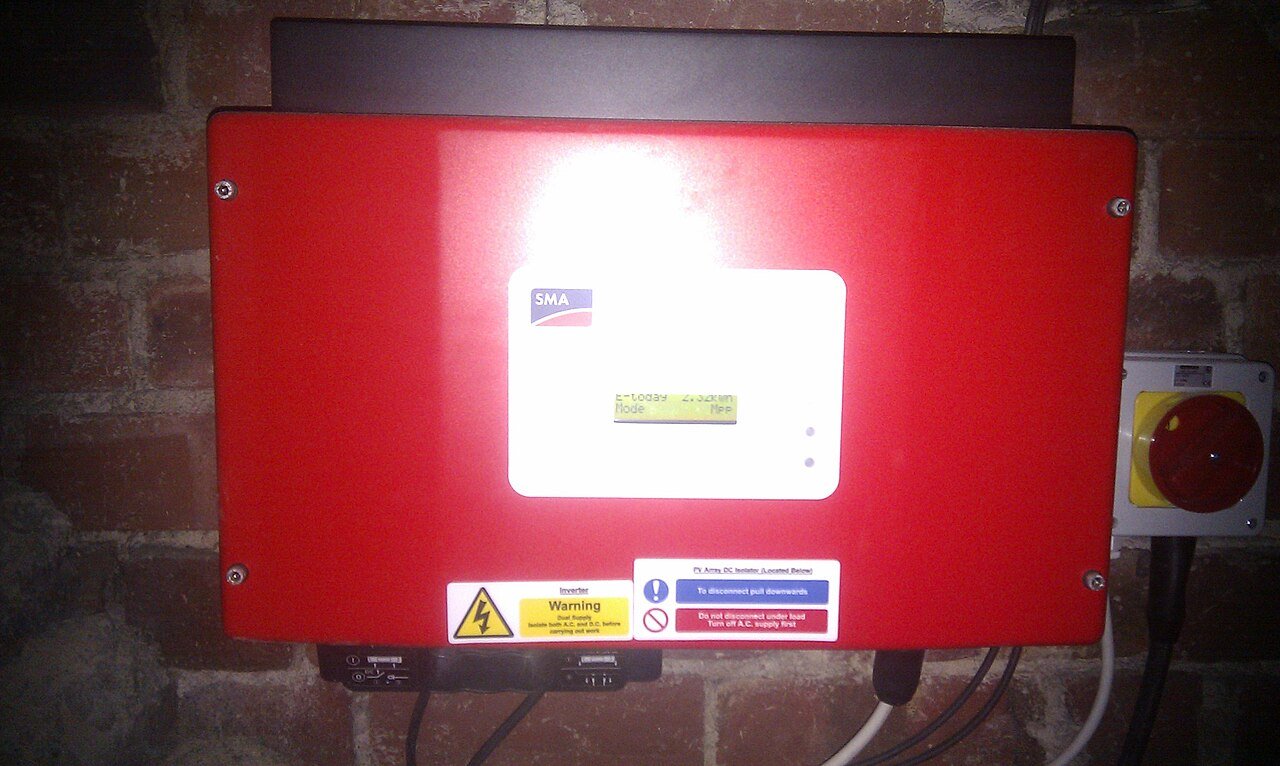
Grid-following devices need a reference
A conventional grid-following inverter synchronises its output to voltage and frequency already present at its terminals. During a normal utility outage, anti-islanding protection causes typical grid-tied PV to stop energising the circuit. This is why a roof full of solar modules does not automatically keep a home powered during a blackout.
Grid-forming control can establish an island
A grid-forming inverter can regulate voltage and frequency for an islanded electrical system within its design limits. In a home battery system, that capability may be used to create a backup microgrid after the transfer device isolates the property from the utility. The exact supported loads, phases and restart behaviour still depend on the product.
The labels do not replace system compatibility
A battery, solar inverter, backup gateway and generator must be designed to operate together. Some grid-following PV inverters can operate inside a grid-forming battery microgrid when the manufacturers support frequency-watt control or other coordination. Unsupported combinations can trip, oscillate or fail to reconnect, so use approved architecture documents.
Power and energy remain separate constraints
Grid-forming capability does not make an inverter infinitely strong. It still has continuous current, surge duration and battery-energy limits. Large motor starts or simultaneous household loads can collapse an island even when the utility grid would have supplied them easily. Backup design needs a load schedule and surge check.
Commission island and reconnection behaviour
A proper test confirms transfer, stable voltage/frequency, solar behaviour while islanded, low-state-of-charge response, black-start conditions and reconnection after the grid returns. Monitoring should clearly show whether the home is grid-connected or islanded so an owner does not mistake normal anti-islanding behaviour for a solar equipment failure.
Use the checks together
Backup gateway checklist Battery-inverter compatibility guide should be used alongside the equipment manuals and local electrical requirements.