
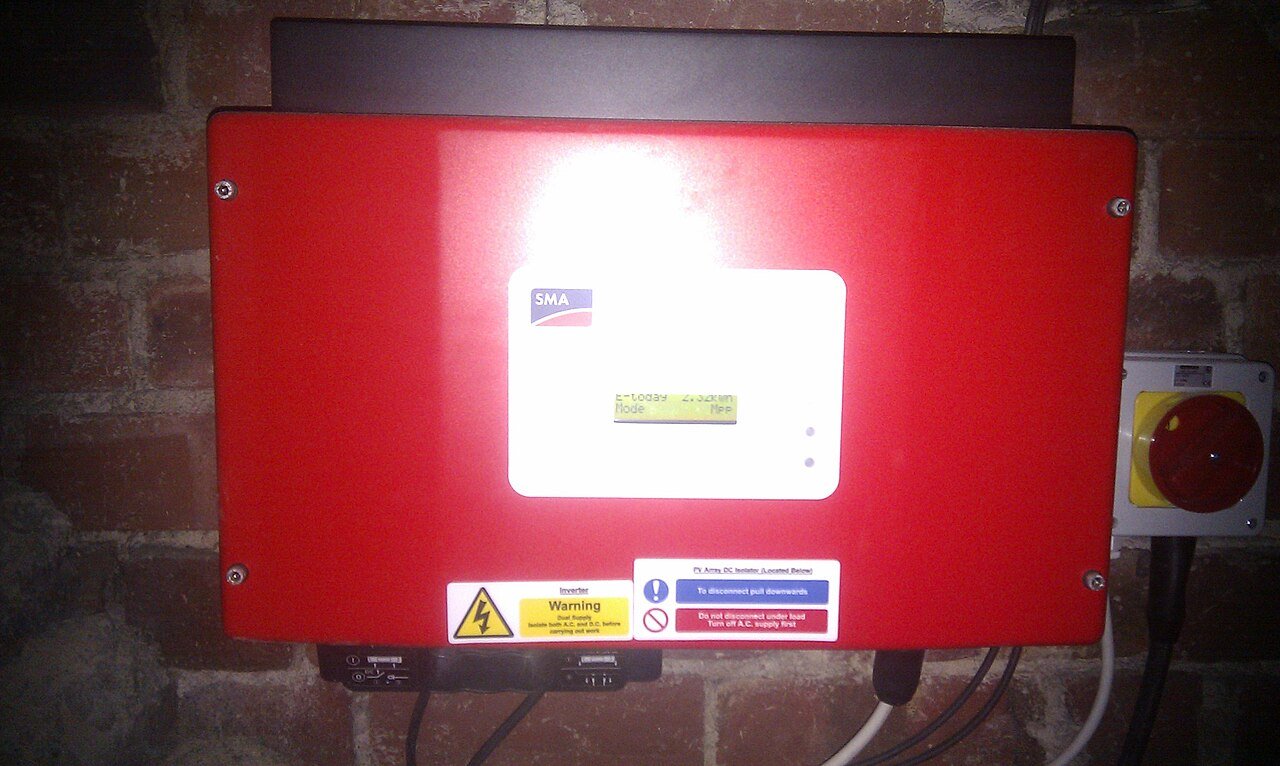
A fixed limit is simple to understand
With a fixed export limit, the site control system is configured not to exceed a stated power level at the grid connection point. The limit may be zero or a positive value. Its predictability simplifies modelling, but it can leave generation unused during periods when the local network could safely accept more power.
Dynamic control can expose more network capacity
A dynamic export scheme allows an approved control system to receive or calculate a changing export allowance. When network conditions permit, the site may export above the conservative fixed cap; at other times the allowance can fall. The benefit depends on the local network, communications reliability, tariff and the specific equipment approved by the network operator.
Failure behaviour must be defined
Dynamic control depends on meters, communications and configured fail-safe behaviour. The design should specify what happens if the internet connection, utility signal, local meter or energy-management controller fails. A system should not simply assume the highest export allowance indefinitely. Exact fallback behaviour belongs in the connection agreement and commissioning test.
Batteries interact with both approaches
A battery can help keep grid flow below either a fixed or changing threshold by charging from surplus PV. It can also discharge later when solar falls. However, a battery is not a substitute for compliant export control. The export controller still needs to coordinate inverter and battery behaviour so charging, discharge and PV production do not combine to exceed the permitted grid flow.
Choose based on the local scheme, not the label
Dynamic export is attractive where it is genuinely offered and supported, but availability, eligible inverter lists and customer obligations differ. Compare expected additional export, communications requirements, commissioning cost and future tariff treatment. If a network only offers a fixed limit, designing around a hypothetical dynamic scheme can create an unapprovable project.
Use the checks together
Export and self-consumption planning Inverter sizing guide should be used alongside the equipment manuals and local electrical requirements.