
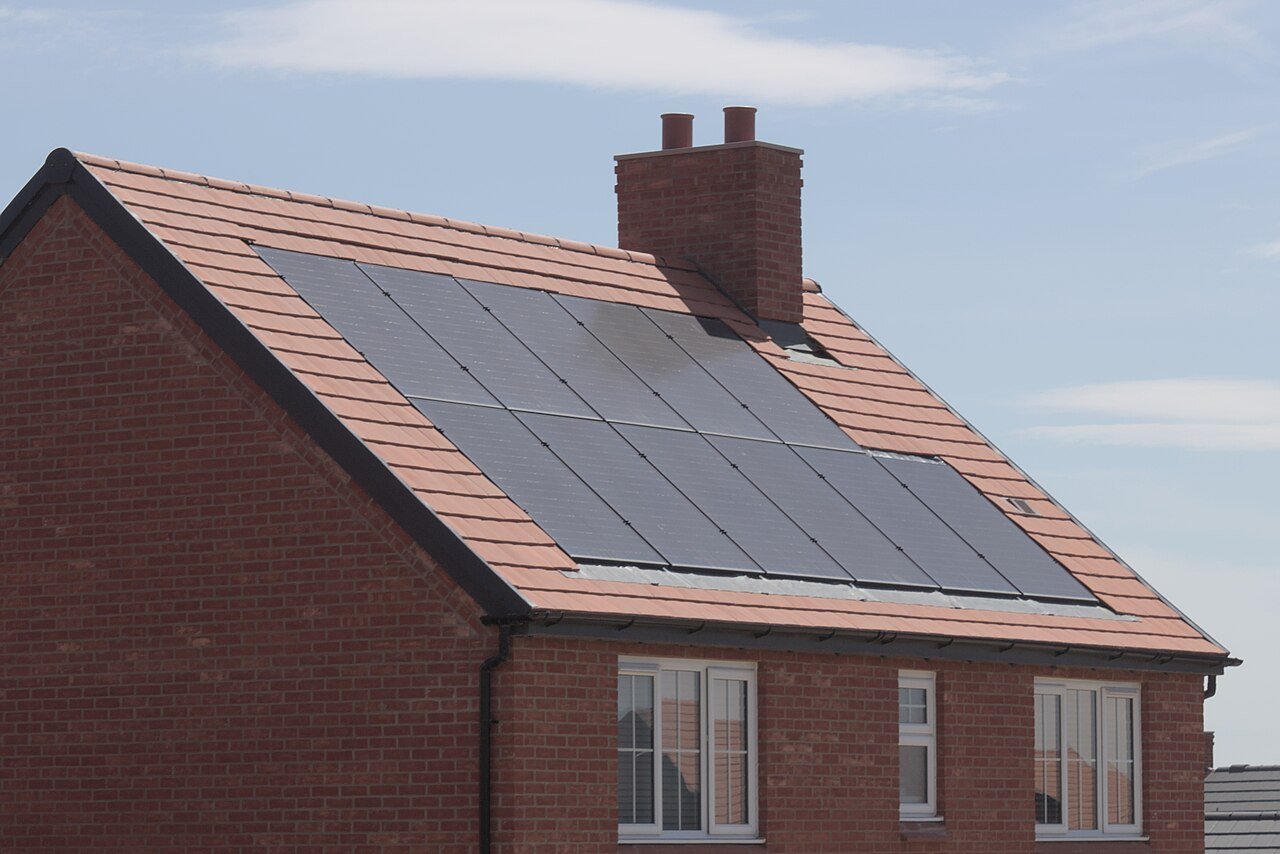
Both use solar modules, but the civil work is very different
A rooftop array uses an existing building structure, while a solar carport adds a new structure over parking or circulation space. The carport may require foundations, vehicle-impact protection, drainage coordination, lighting and clearance design. Rooftop projects instead depend heavily on roof condition, structural capacity, fire access and the remaining life of the roofing system.
Roof condition can decide the economics
Installing PV on a roof that will need replacement soon can create avoidable removal and reinstallation cost. A structural and roof-condition assessment should precede final design. Where usable roof area is limited or unsuitable, a carport can add generation without consuming new land, but its steel and foundation costs can be substantial.
Cable routes and electrical points of connection differ
Rooftop systems may have relatively direct routes to electrical rooms, although long buildings can still create voltage-drop and fire-routing issues. Carports can require underground conduits across parking areas and careful coordination with existing utilities. Map the point of interconnection, trenching, transformer needs and future expansion before comparing price per installed watt.
Carports can pair naturally with EV charging
Covered parking can place generation near vehicle charging, but coincident solar production does not automatically match charging demand. The electrical service, chargers, load management and any battery system should be designed together. A battery may help manage site peaks, which connects to Melnti’s commercial demand-charge and battery-sizing guide.
Construction disruption has different forms
Rooftop work affects roof access and building safety zones; carport work can close parking bays, alter traffic flow and require excavation. Include phasing, temporary access, weather constraints and business operations in the tender scope. For occupied sites, the least disruptive design can be more valuable than the lowest equipment price.
Compare lifetime site utility, not only first cost
Consider roof replacement cycles, shading, maintenance access, structural inspections, drainage, lighting, EV plans and future building changes. Both approaches can be technically strong. Use Melnti’s quote comparison guide to make sure proposals disclose assumptions rather than comparing only headline system size.