
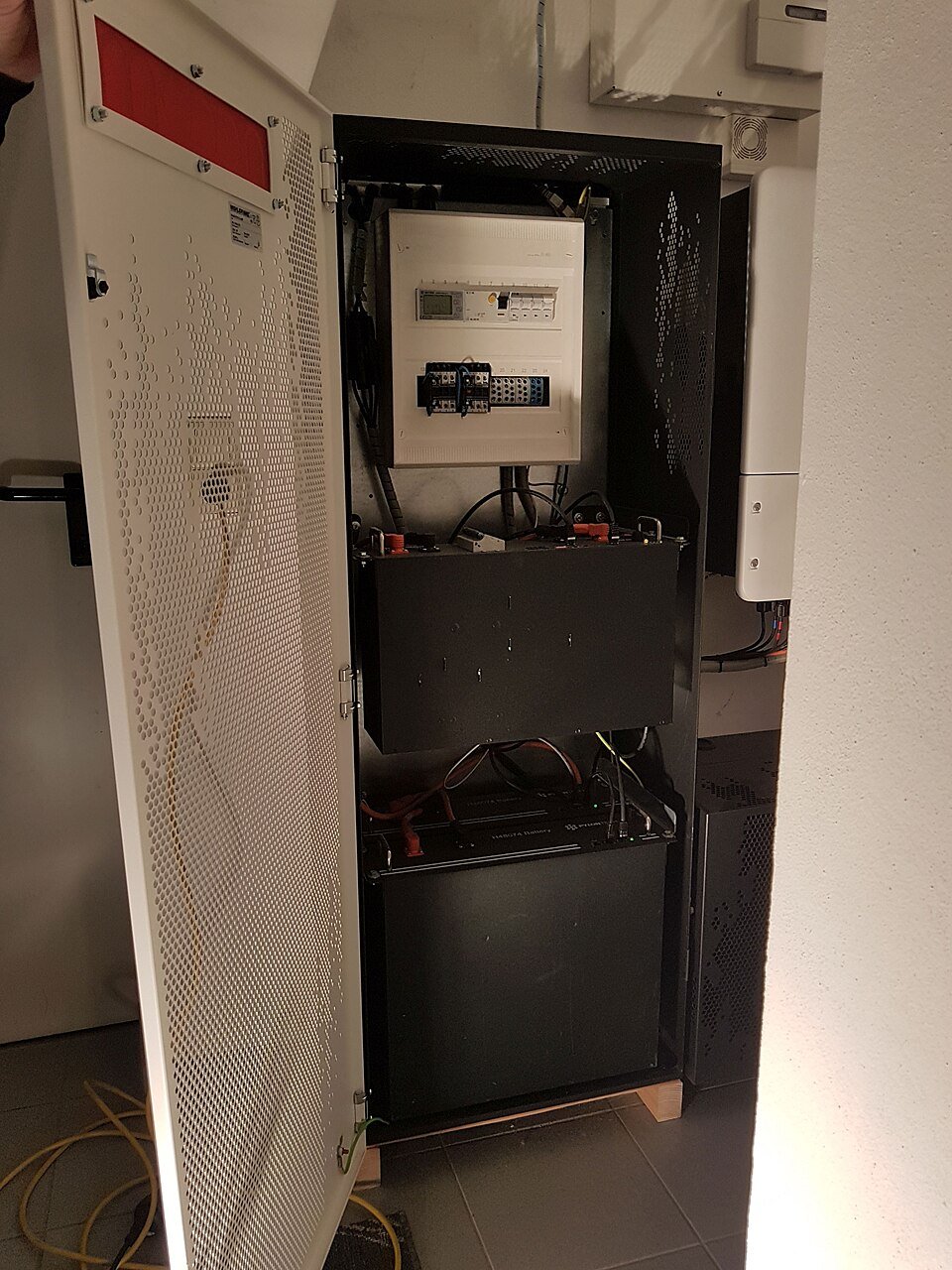
They are not the same type of storage product
Fronius Reserva is a modular high-voltage DC battery designed around compatible Fronius hybrid inverters. Tesla Powerwall 3 combines a 13.5kWh battery with an integrated solar inverter. That architectural difference is more important than comparing a single capacity number.
| Factor | Fronius Reserva | Tesla Powerwall 3 |
|---|---|---|
| Storage format | 6.31–15.79kWh usable per tower; 2–5 modules | 13.5kWh nominal energy per Powerwall 3 |
| Inverter architecture | Requires a compatible Fronius hybrid inverter | Integrated solar inverter |
| Expansion | Up to four Reserva batteries/towers in parallel where supported | Capacity can be expanded using supported Powerwall architecture; check current regional design rules |
| Battery chemistry | LFP | Verify current regional Tesla documentation for supplied unit |
| Best comparison question | Does the Fronius ecosystem match the planned inverter and backup design? | Does the integrated Tesla architecture match the roof, loads and local grid configuration? |
For a new solar-plus-storage system
Reserva can be attractive where the project is already centered on a Fronius hybrid inverter and modular high-voltage storage. Powerwall 3 can reduce the need for a separate PV inverter in supported designs because the inverter is integrated.
For a retrofit
The right answer depends on the existing inverter, electrical service, backup equipment and whether replacing existing power electronics is justified. Ask the installer to draw the proposed one-line architecture instead of comparing batteries only by kWh.