
Commercial solar starts with the load profile
Monthly bills alone can hide when electricity is consumed. Interval data shows whether demand overlaps solar production, how large peak demand is and whether batteries would be used for backup, peak management or energy shifting.
Operational risk changes the design
A factory, cold room, data system, clinic or retail site may assign very different financial value to an outage. Critical-load segmentation and uptime requirements should therefore be established before deciding battery size.
Roof and site due diligence
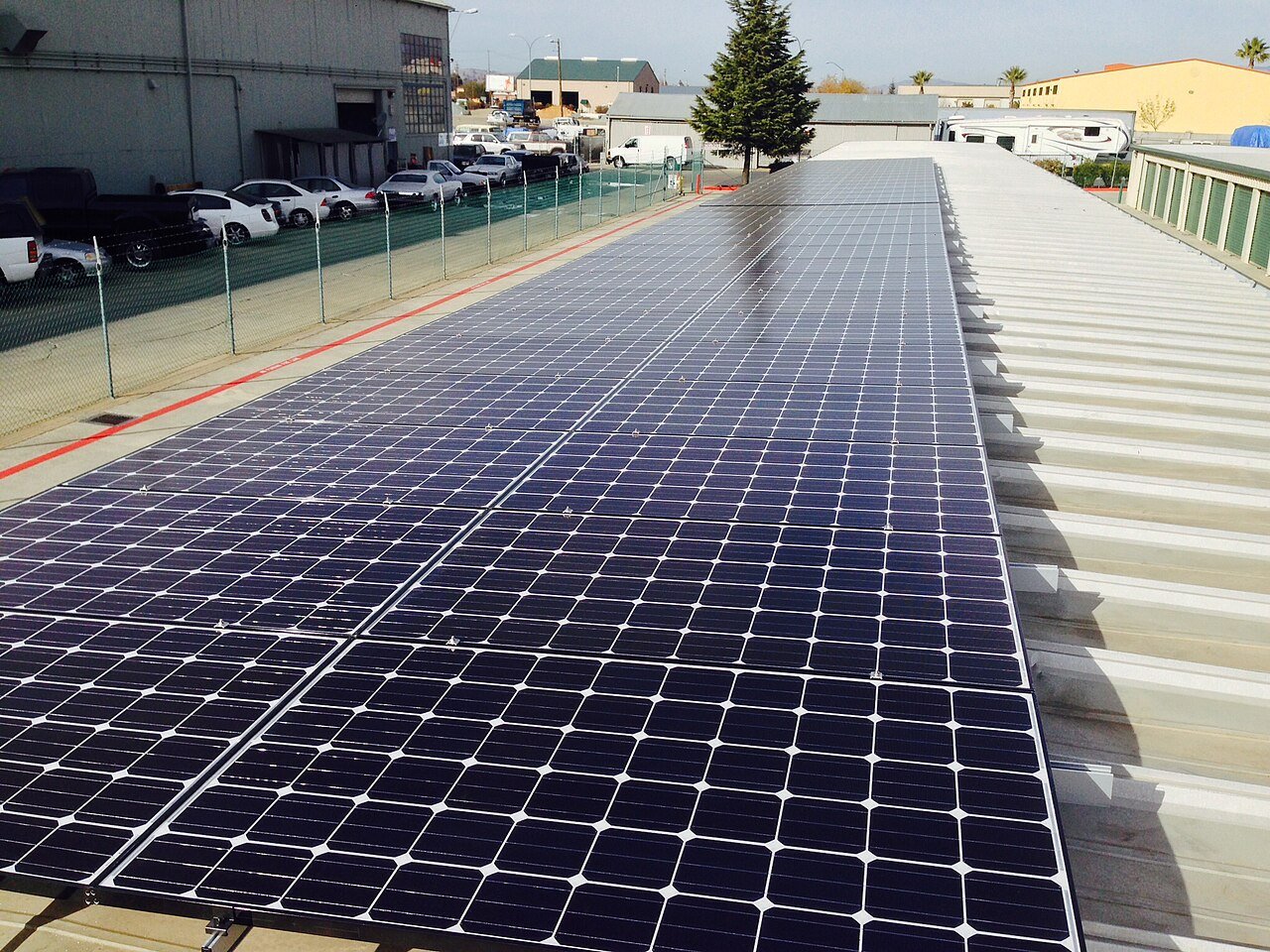
Large roofs require structural assessment, drainage and fire/access planning, equipment routes and a realistic understanding of roof life. Installing PV on a roof that will need replacement soon can create avoidable future cost.
Procurement should compare assumptions
Ask bidders to state the same key assumptions: annual production, degradation, self-consumption, tariff basis, downtime, maintenance, replacement assumptions and warranty scope. A low price with optimistic production assumptions is not automatically a better project.
Financing changes the metric
Simple payback is useful for a first look, but financed projects should consider cash flow, cost of capital, tax treatment and contractual risk. Power purchase agreements, leases and direct ownership can produce very different economics and responsibilities.